
 EN
EN
 ar
ar bg
bg hr
hr cs
cs da
da nl
nl fi
fi fr
fr de
de el
el hi
hi it
it ko
ko no
no pl
pl pt
pt ro
ro ru
ru es
es sv
sv tl
tl iw
iw id
id lv
lv lt
lt sr
sr sk
sk sl
sl uk
uk vi
vi et
et hu
hu th
th tr
tr fa
fa ms
ms hy
hy ka
ka ur
ur bn
bn mn
mn ta
ta kk
kk uz
uz ku
ku
NB-IoT DTU
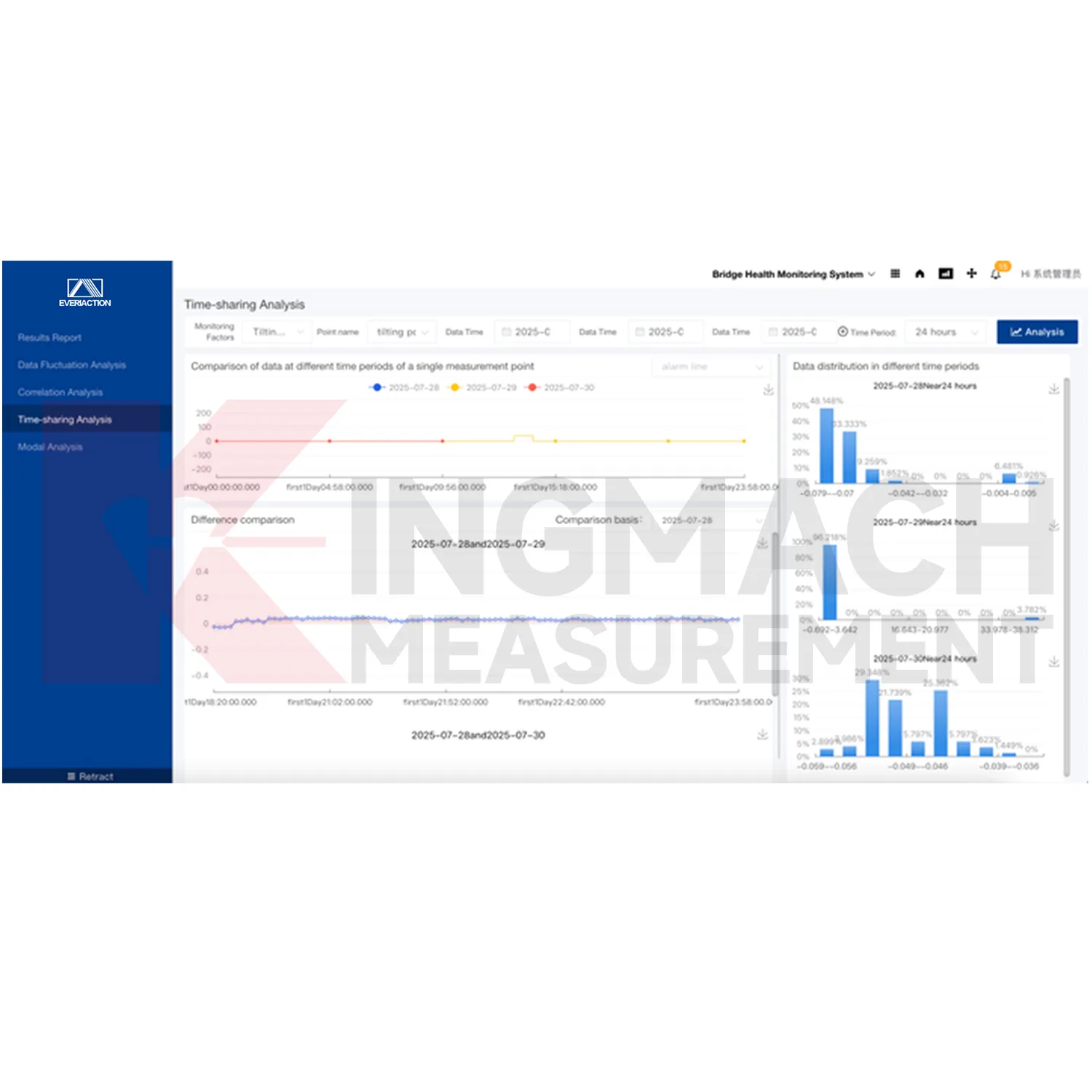
The platform supports graphical display so complex monitoring data can be converted into clearer visual information. Users can review trends, abnormal early warnings, and reports through a more intuitive interface. This is important because a raw table of readings is rarely enough for quick engineering management. Graphs, alarm status, project documents, and maintenance notes help users see what has changed and what needs attention. Kingmach NB-IoT DTU is therefore positioned as a digital management layer above the field instruments.
Application of NB-IoT DTU
Environmental monitoring networks use Kingmach NB-IoT DTU to connect rainfall, wind, temperature, humidity, water level, soil moisture, and related structural readings. Environmental data often explains why a structural channel changed. For example, rainfall may affect slope movement, temperature may affect strain readings, and water level may affect dam or foundation behavior. A shared platform helps reviewers see these relationships more clearly and prepare reports that include both the measured response and the surrounding condition.
The future of NB-IoT DTU
Standardized project records will shape the future of Kingmach NB-IoT DTU. Infrastructure owners increasingly need monitoring data that can survive staff changes, contractor changes, upgrades, and long asset lifetimes. A project-based platform can keep baseline data, device information, inspection notes, alarm levels, and documents in a consistent structure. That record becomes useful years later when teams compare new behavior with earlier conditions and decide whether maintenance or deeper investigation is required.
Care & Maintenance of NB-IoT DTU
Before deploying Kingmach NB-IoT DTU, define the project structure, asset names, monitoring points, device types, channel names, alarm levels, user roles, and report needs. A platform is easier to use when the data model matches the actual project. If point names, units, locations, and device IDs are unclear at the start, later trend review and alarm handling become harder. Good setup work creates a stable base for real-time storage, visualization, and long-term project management.
Kingmach NB-IoT DTU
For project managers, Kingmach NB-IoT DTU gives each monitored asset a defined operating file instead of a loose collection of screens. The team can maintain project basics, live status, inspection notes, maintenance activity, alarm levels, and documents under the same project name. This is useful when an owner needs to explain who checked the data, what changed on site, which alarm was acknowledged, and which report followed. The platform turns daily monitoring into a traceable management routine, so later audits can follow the project history without rebuilding it from scattered folders.
FAQ
Q: How should a project be prepared?
A: Define asset folders, monitoring zones, measuring points, units, alert grades, and report needs before launch.
Q: What should be tested at go-live?
A: Test incoming values, time order, engineering units, graph refresh, alarm trigger, and export output.
Q: Why does alarm logic need review?
A: Different sensor categories and risk levels may need different limits, rates, and escalation steps.
Q: How should files stay current?
A: Update drawings, point lists, photos, inspection notes, maintenance logs, and reports when the site changes.
Q: What should follow a platform update?
A: Run a short acceptance check on live values, graph pages, alerts, exports, accounts, and stored files.
Reviews
David Wilson
We purchased displacement transducers and settlement sensors, and the quality exceeded our expectations. Easy installation and reliable performance.
Michael Anderson
The strain gauges and load cells are extremely accurate and stable. They performed very well in our bridge monitoring project. Highly recommended!
Latest Inquiries
To protect the privacy of our buyers, only public service email domains like Gmail, Yahoo, and MSN will be displayed. Additionally, only a limited portion of the inquiry content will be shown.
Harper***@gmail.comIndia
Dear Sir, we are planning to procure a complete monitoring system including strain gauges, tiltmeter...
Sophia***@gmail.comUnited Kingdom
Good day, we need environmental monitoring sensors including temperature, humidity, and wind sensors...