
 EN
EN
 ar
ar bg
bg hr
hr cs
cs da
da nl
nl fi
fi fr
fr de
de el
el hi
hi it
it ko
ko no
no pl
pl pt
pt ro
ro ru
ru es
es sv
sv tl
tl iw
iw id
id lv
lv lt
lt sr
sr sk
sk sl
sl uk
uk vi
vi et
et hu
hu th
th tr
tr fa
fa ms
ms hy
hy ka
ka ur
ur bn
bn mn
mn ta
ta kk
kk uz
uz ku
ku
accelerometer purchase
Dynamic acquisition is the part that makes Kingmach accelerometer purchase useful after installation. A short event can be missed if the recording plan is wrong. A long quiet period can hide a trend if the review interval is weak. The monitoring team should define whether the project needs continuous recording, triggered capture, periodic testing, or manual event review. Bridges, tunnels, blasting zones, machinery rooms, and seismic stations all have different rhythms. A clear acquisition plan protects the value of the sensor by making sure the important motion is actually stored, named, and available for analysis. The plan should also define who checks missing records, how alarms are reviewed, and which related channels are opened during an abnormal event. Without that process, even accurate dynamic data may be hard to use.
If the reading changes suddenly, the first check should include the sensor attachment, cable route, connector, channel name, and recent field activity. This prevents a maintenance issue from being mistaken for structural behavior.
Long-term monitoring benefits from repeatable procedure. When the same point, direction, event definition, and analysis method are preserved, new vibration records can be compared with earlier records in a defensible way.
The report should not leave the waveform isolated. It should explain what the asset was doing, why the point was measured, which event triggered interest, and what follow-up action or observation was made.
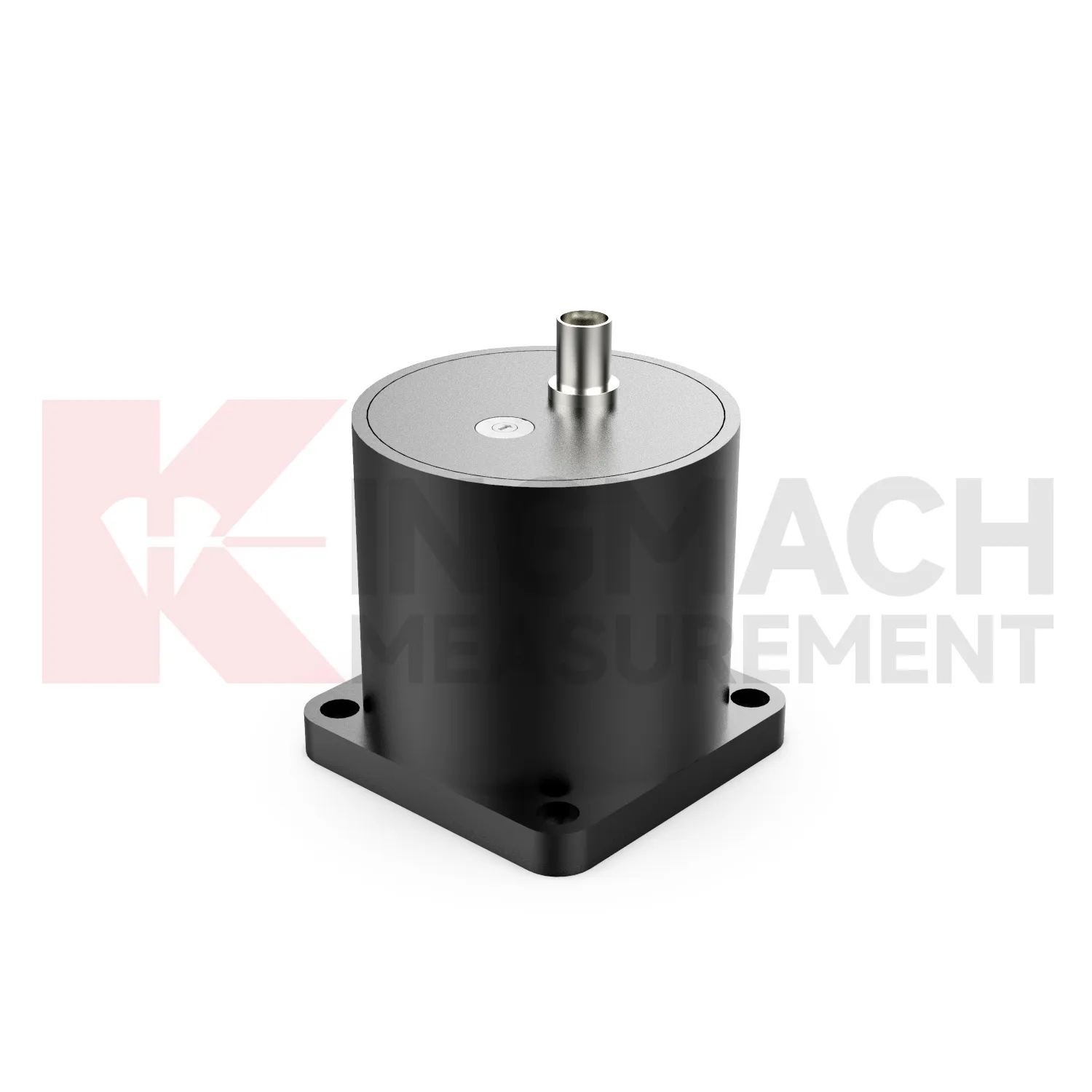
Application of accelerometer purchase
Cable force testing uses Kingmach accelerometer purchase when vibration response is part of the force calculation method. The sensor must capture the cable motion cleanly, and the analysis must use the correct cable identity, boundary condition, and review process. A simple vibration trace is not enough by itself. The test record should preserve cable name, measurement position, weather, traffic or work condition, and calculation result. Written clearly, this application shows how dynamic measurement supports bridge maintenance without turning the page into formulas or specification tables. Repeatability is especially important. If future measurements use the same procedure, the owner can compare trends with more confidence.
The report should not leave the waveform isolated. It should explain what the asset was doing, why the point was measured, which event triggered interest, and what follow-up action or observation was made.
Dynamic data can be sensitive to small field changes. A new bracket, nearby machine, temporary work platform, changed cable route, or software update can alter the record, so those changes belong in the maintenance history.
For owner handover, the file should include point photos, axis labels, acquisition settings, related structural channels, and examples of normal behavior. That helps future reviewers understand whether a later event is unusual.
Weak-vibration review should include nearby walking, wind, traffic, equipment start-up, and construction activity because these sources can influence the trace. People walking nearby, wind, traffic, equipment start-up, and construction work can all influence the trace, so the field note should capture what was happening around the point.
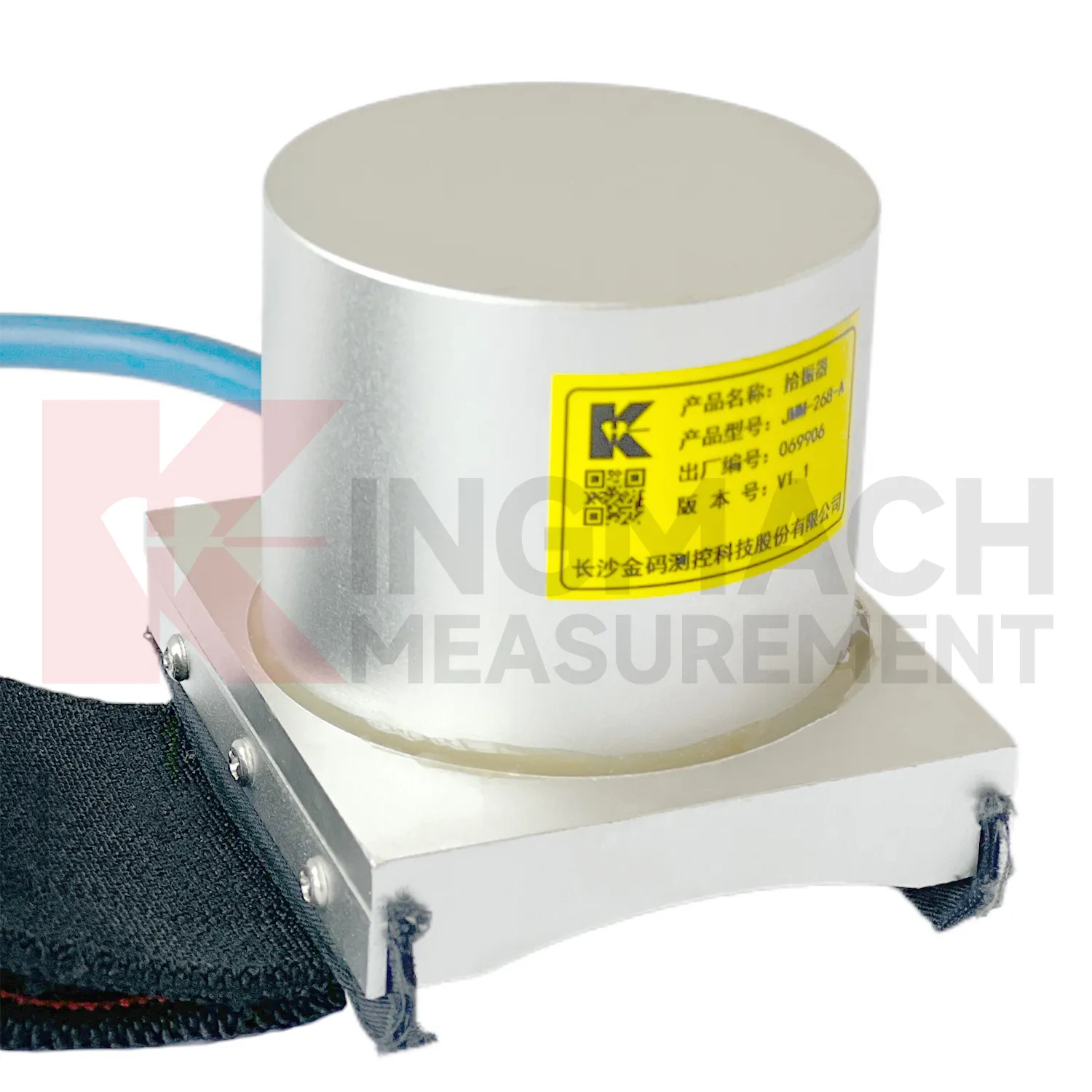
The future of accelerometer purchase
Future Kingmach accelerometer purchase will make vibration comfort and serviceability easier to discuss. Buildings, footbridges, platforms, and machinery areas may be structurally safe but still produce uncomfortable or disruptive motion. Acceleration records can help describe the movement in a way that inspection notes alone cannot. Future reporting tools may connect measured vibration with occupancy, machinery state, traffic timing, and maintenance actions. That will help owners decide whether a response is acceptable, needs observation, or requires a physical change. Clear dynamic records also help communication between technical teams and non-specialist stakeholders who need understandable evidence.
Comfort review should be written in plain operational language. A report may need to show when the motion happened, who noticed it, what equipment was running, and whether the same condition appears every day or only during unusual work. This makes the result useful to building managers as well as engineers.
Serviceability records should also separate perception from risk. A motion may disturb occupants without indicating damage, while a quiet but changing dynamic pattern may deserve technical attention. Future reporting should help teams keep those two questions separate.
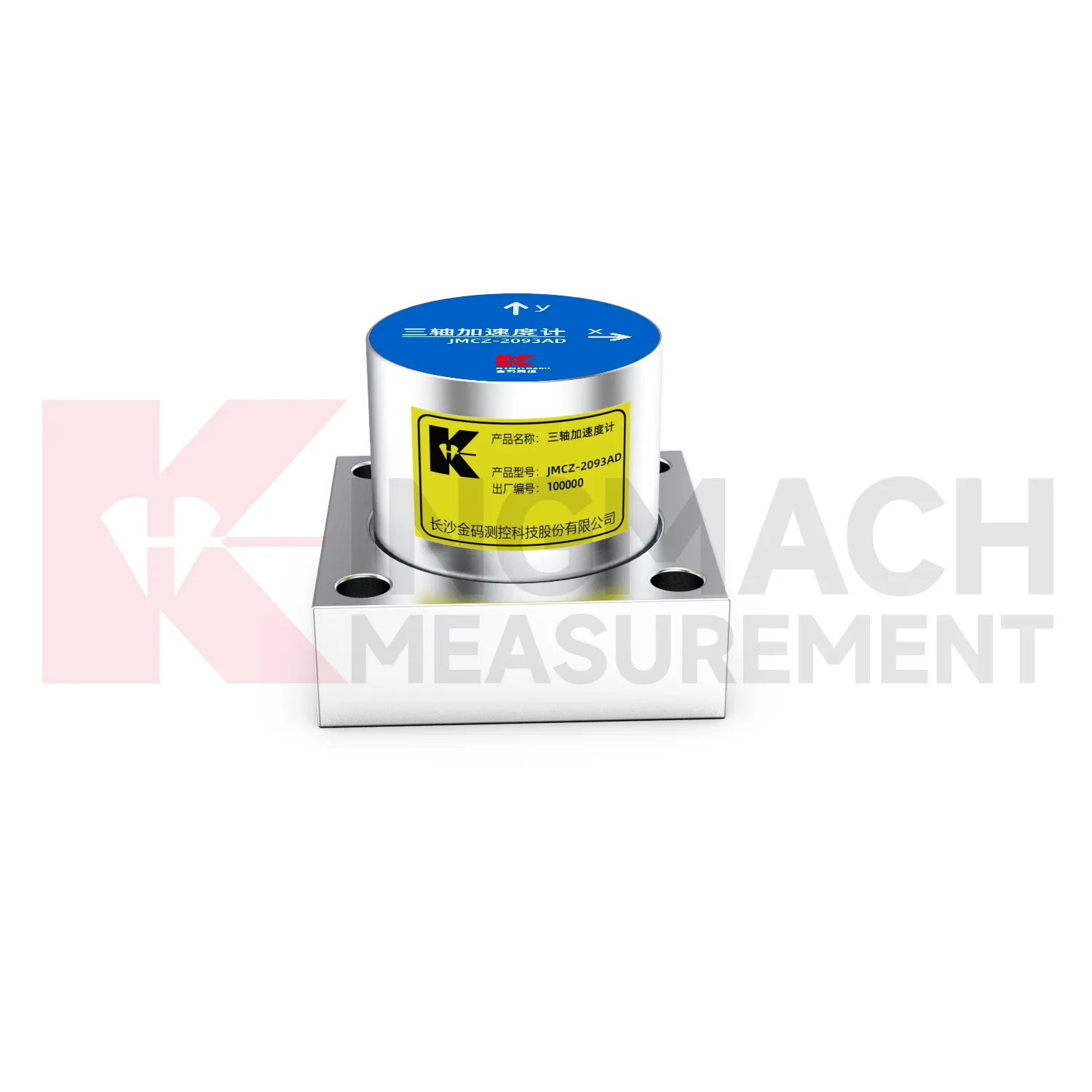
Care & Maintenance of accelerometer purchase
Routine inspection of Kingmach accelerometer purchase should be tied to the risk level of the asset. A bridge cable, seismic station, active construction area, or machinery foundation may need more frequent checks than a quiet background point. Inspection should cover mounting, axis label, cable, connector, cabinet, data status, and recent events. After storms, impacts, blasting, equipment maintenance, or structural work, perform an extra check. The goal is simple: keep the dynamic record trustworthy when the next important event arrives. A schedule that reflects asset risk is better than a fixed checklist that ignores field conditions.
The inspection plan should also define who reviews the data after the physical check. A field crew may confirm that the sensor is attached, but an engineer may still need to compare recent traces with earlier behavior. Both views belong in the maintenance loop.
For high-risk points, inspection records should be easy to audit. Date, technician, point condition, event history, and follow-up action should be written plainly so future reviewers can understand why the next reading was trusted.
Kingmach accelerometer purchase
For buyers, Kingmach accelerometer purchase should be selected by the motion being measured. Some projects need weak low-frequency ground pulsation. Some need three-direction structural vibration. Some focus on bridge cable force through fundamental frequency. Some need a sealed vibration pickup in a building or machinery area. The first decision is the engineering question: what movement must be captured, where will the sensor sit, and what data will be reviewed after an event? Once that is clear, the sensor, acquisition unit, mounting method, and reporting workflow can be matched without turning the page into a catalog list. A purchase that starts with the site question is easier to install, easier to test, and easier to maintain through years of service.
A useful dynamic record needs both signal quality and site context. Mounting condition, axis direction, cable stability, acquisition timing, and event labeling all affect whether the data can support an engineering decision after review.
During interpretation, the team should compare the motion with nearby strain, displacement, tilt, load, wind, temperature, traffic, machinery, or construction notes. That wider view helps separate normal response from a pattern that needs inspection.
FAQ
Q: What are Kingmach accelerometer purchase used for?
A: They are used to record acceleration and vibration behavior so engineers can review structural motion, frequency response, impact events, ground motion, and cable vibration.
Q: Where are they commonly applied?
A: They are used in bridges, buildings, tunnels, railways, machinery areas, ground-motion stations, wind towers, and construction vibration monitoring.
Q: Why not rely only on visual inspection?
A: Many dynamic problems happen too quickly or too subtly to see, while acceleration records preserve timing, direction, and frequency information.
Q: Can acceleration data support cable force review?
A: Yes, when the vibration measurement and calculation method are configured correctly for the cable being tested.
Q: Should acceleration data be reviewed alone?
A: No. It is stronger when compared with strain, displacement, tilt, load, environmental records, and inspection notes.
During interpretation, the team should compare the motion with nearby strain, displacement, tilt, load, wind, temperature, traffic, machinery, or construction notes. That wider view helps separate normal response from a pattern that needs inspection.
Reviews
Daniel Brown
Excellent environmental monitoring sensors. The data is consistent, and the system integrates smoothly with our existing setup.
Ryan Lewis
Fast delivery and excellent product quality. The accelerometers and tiltmeters are highly reliable. Strongly recommend this company.
Latest Inquiries
To protect the privacy of our buyers, only public service email domains like Gmail, Yahoo, and MSN will be displayed. Additionally, only a limited portion of the inquiry content will be shown.
Harper***@gmail.comIndia
Dear Sir, we are planning to procure a complete monitoring system including strain gauges, tiltmeter...
Olivia***@gmail.comUnited States
Hello, we are currently sourcing high-precision strain gauges and load cells for a bridge monitoring...