
 EN
EN
 ar
ar bg
bg hr
hr cs
cs da
da nl
nl fi
fi fr
fr de
de el
el hi
hi it
it ko
ko no
no pl
pl pt
pt ro
ro ru
ru es
es sv
sv tl
tl iw
iw id
id lv
lv lt
lt sr
sr sk
sk sl
sl uk
uk vi
vi et
et hu
hu th
th tr
tr fa
fa ms
ms hy
hy ka
ka ur
ur bn
bn mn
mn ta
ta kk
kk uz
uz ku
ku
accelerometers for sale
Dynamic acquisition is the part that makes Kingmach accelerometers for sale useful after installation. A short event can be missed if the recording plan is wrong. A long quiet period can hide a trend if the review interval is weak. The monitoring team should define whether the project needs continuous recording, triggered capture, periodic testing, or manual event review. Bridges, tunnels, blasting zones, machinery rooms, and seismic stations all have different rhythms. A clear acquisition plan protects the value of the sensor by making sure the important motion is actually stored, named, and available for analysis. The plan should also define who checks missing records, how alarms are reviewed, and which related channels are opened during an abnormal event. Without that process, even accurate dynamic data may be hard to use.
If the reading changes suddenly, the first check should include the sensor attachment, cable route, connector, channel name, and recent field activity. This prevents a maintenance issue from being mistaken for structural behavior.
Long-term monitoring benefits from repeatable procedure. When the same point, direction, event definition, and analysis method are preserved, new vibration records can be compared with earlier records in a defensible way.
The report should not leave the waveform isolated. It should explain what the asset was doing, why the point was measured, which event triggered interest, and what follow-up action or observation was made.
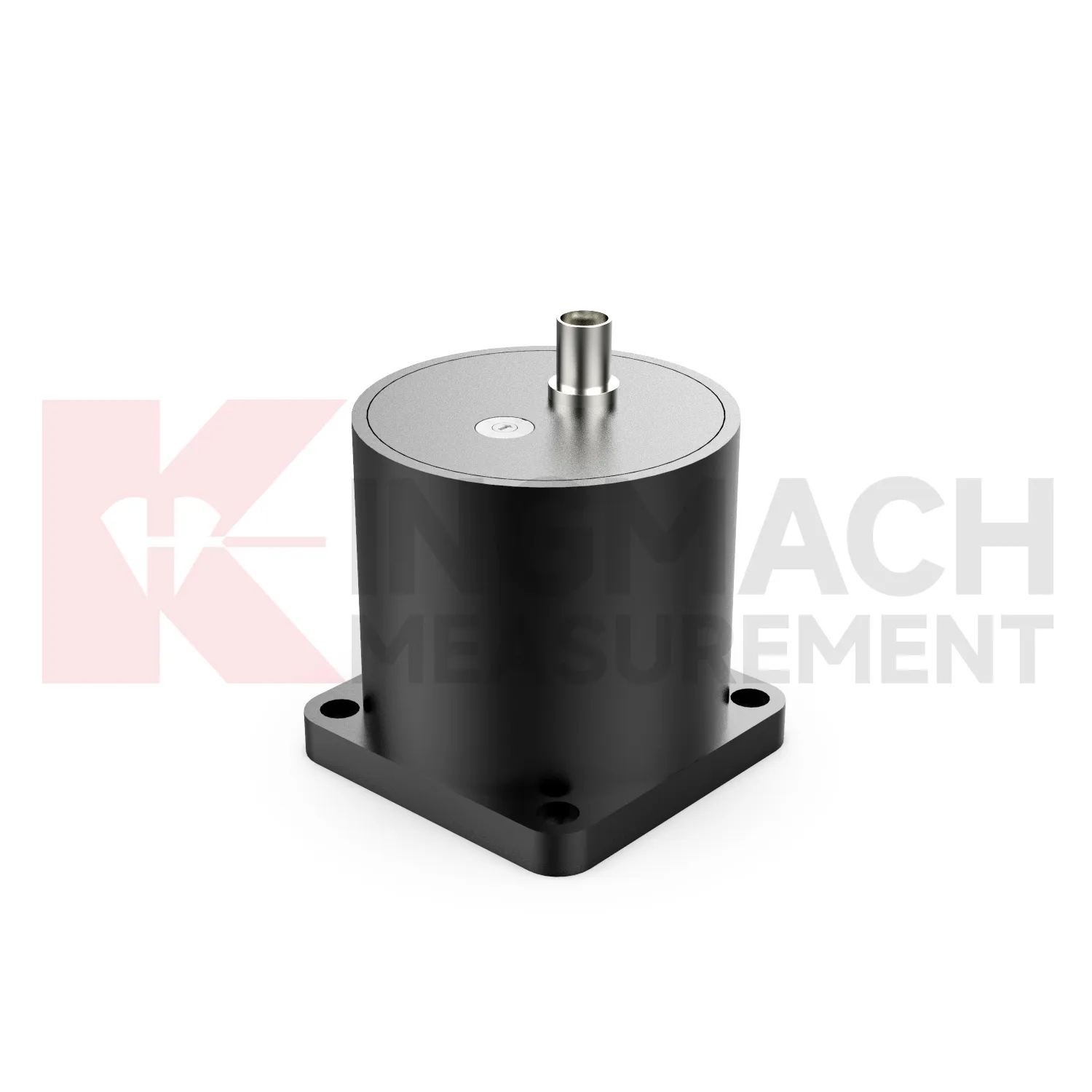
Application of accelerometers for sale
Railway projects use Kingmach accelerometers for sale to study vibration from train passage, track structure response, bridge sections, station buildings, and nearby sensitive structures. The data can help separate normal operational vibration from unusual behavior caused by foundation change, structural looseness, or construction disturbance. Monitoring should identify the track side, structural location, axis direction, and train or work event related to the record. Acceleration results are stronger when reviewed with settlement, displacement, temperature, and inspection records. This keeps dynamic monitoring connected to maintenance and service decisions. A repeated vibration pattern during regular operation may become the baseline, while a new pattern after work or weather may trigger closer review.
Railway records should preserve operating context in a way that bridge or building records may not need. Train type, passing direction, speed condition, maintenance window, nearby track work, and station activity can all influence the signal. If these details are missing, a vibration curve may be technically complete but difficult to explain.
For long corridors, point naming is especially important. A useful railway report should show chainage, line side, structure type, sensor direction, and the event being reviewed. That lets maintenance teams compare one section with another and decide whether the response is local, repeated, or connected to a broader service condition.
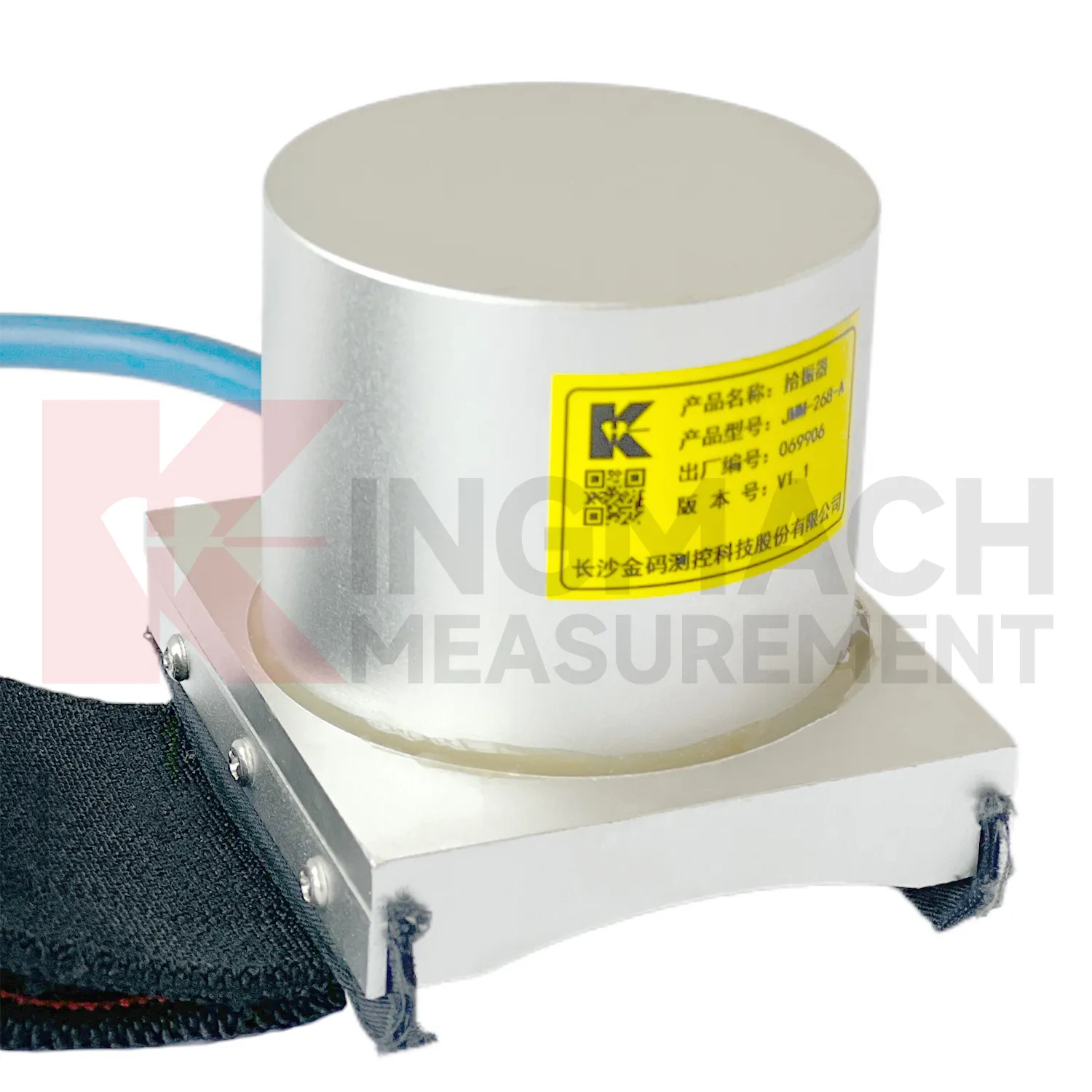
The future of accelerometers for sale
Remote monitoring will influence future Kingmach accelerometers for sale deployments, especially on bridges, railways, tunnels, towers, and industrial sites where access is limited. A remote dynamic station should report sensor status, acquisition health, event timing, and data availability, not only final vibration values. Maintenance teams need to know whether missing data came from quiet conditions, power trouble, communication loss, or a damaged installation. Clear status reporting will make dynamic monitoring more reliable during the events when it is needed most. Remote records are useful only when the team can trust that the station was ready before the event occurred.
During interpretation, the team should compare the motion with nearby strain, displacement, tilt, load, wind, temperature, traffic, machinery, or construction notes. That wider view helps separate normal response from a pattern that needs inspection.
If the reading changes suddenly, the first check should include the sensor attachment, cable route, connector, channel name, and recent field activity. This prevents a maintenance issue from being mistaken for structural behavior.
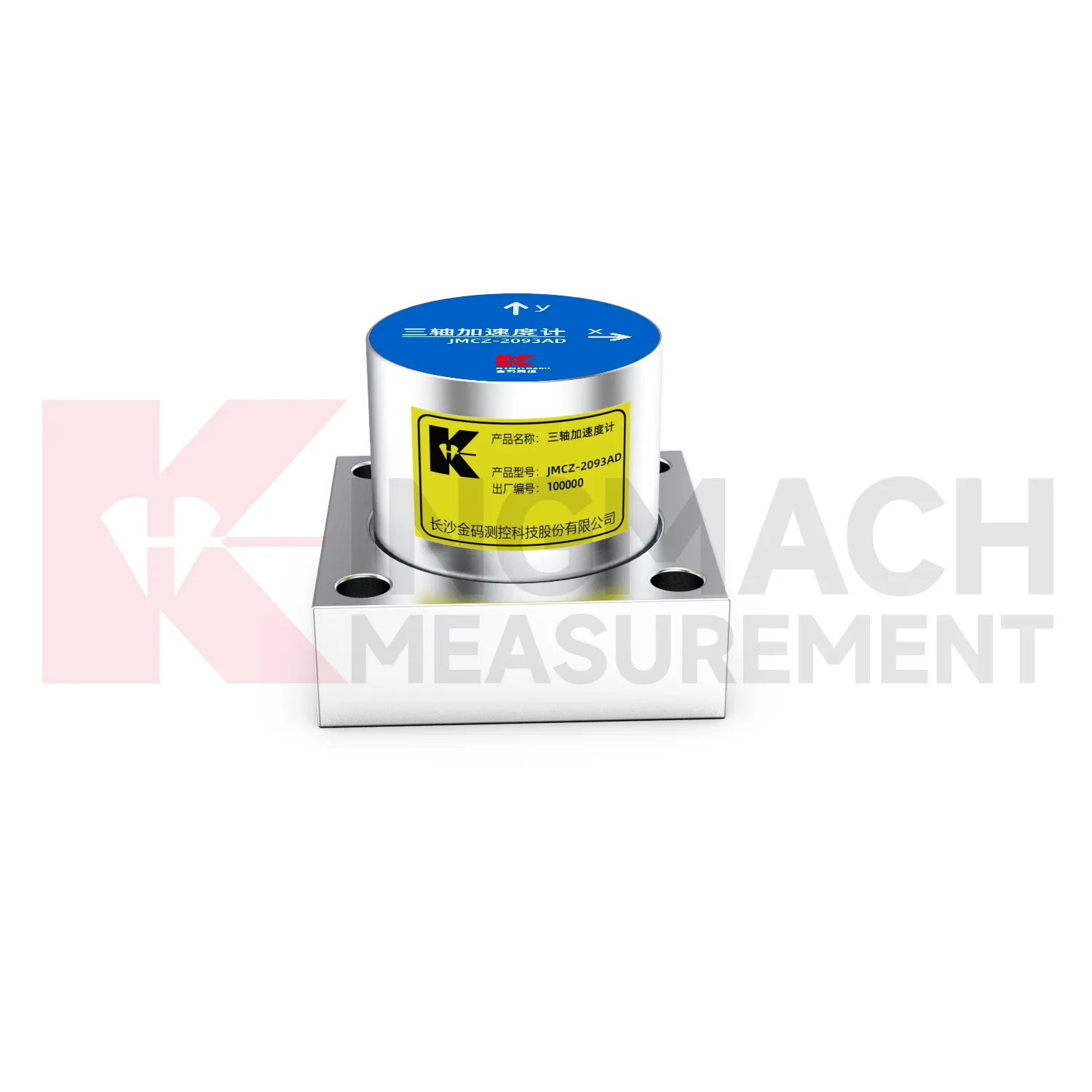
Care & Maintenance of accelerometers for sale
Weak-vibration monitoring with Kingmach accelerometers for sale requires special care because the signal may be close to background noise. Keep the mounting surface rigid, avoid loose nearby parts, document equipment operation, and reduce cable movement. During tests, record what was happening around the point: traffic, machinery, wind, construction, or people moving nearby. If the same weak pattern repeats under the same condition, it becomes more meaningful. If it appears only once with no context, it may need verification before engineering action is taken. Careful notes turn faint signals into evidence instead of speculation.
Long-term monitoring benefits from repeatable procedure. When the same point, direction, event definition, and analysis method are preserved, new vibration records can be compared with earlier records in a defensible way.
The report should not leave the waveform isolated. It should explain what the asset was doing, why the point was measured, which event triggered interest, and what follow-up action or observation was made.
Kingmach accelerometers for sale
On site, Kingmach accelerometers for sale need careful placement more than dramatic claims. The sensor should be fixed to a surface that truly moves with the structure. A loose bracket, thin cover plate, or vibrating cable tray can create a signal that belongs to the installation, not the structure. The axis direction should be recorded before data collection begins. The acquisition channel should match the point name on drawings. If the monitoring task involves low-frequency motion, the mounting needs to remain stable through long recording periods. A clear installation photo, cable note, and first test record help future reviewers understand what the waveform represents. Good installation is what lets the data carry engineering meaning.
The report should not leave the waveform isolated. It should explain what the asset was doing, why the point was measured, which event triggered interest, and what follow-up action or observation was made.
Dynamic data can be sensitive to small field changes. A new bracket, nearby machine, temporary work platform, changed cable route, or software update can alter the record, so those changes belong in the maintenance history.
FAQ
Q: How should a sensor position be selected?
A: Place it where the structure actually moves and where the record answers a clear engineering question.
Q: Why is mounting important?
A: Loose mounting can create a false vibration signal, so the sensor must be fixed to a stable surface.
Q: Why does axis direction matter?
A: The waveform only has meaning when reviewers know whether it represents vertical, lateral, longitudinal, or multi-direction motion.
Q:What should be recorded at installation?
A: Record point name, mounting face, axis direction, cable route, acquisition channel, first test record, and photos.
Q: Can sensors be moved after installation?
A: They can, but the move date, reason, new position, and new baseline test should remain visible in the record.
If the reading changes suddenly, the first check should include the sensor attachment, cable route, connector, channel name, and recent field activity. This prevents a maintenance issue from being mistaken for structural behavior.
Reviews
Joshua Clark
We ordered a full monitoring solution including sensors and data loggers. Everything works seamlessly together. Great supplier!
Michael Anderson
The strain gauges and load cells are extremely accurate and stable. They performed very well in our bridge monitoring project. Highly recommended!
Latest Inquiries
To protect the privacy of our buyers, only public service email domains like Gmail, Yahoo, and MSN will be displayed. Additionally, only a limited portion of the inquiry content will be shown.
Evelyn***@gmail.comSouth Africa
Hi, we are a contractor working on tunnel construction and need settlement sensors and displacement ...
Ava***@gmail.comAustralia
Hi, I am looking for reliable tiltmeters and accelerometers for structural health monitoring. Please...