
 EN
EN
 ar
ar bg
bg hr
hr cs
cs da
da nl
nl fi
fi fr
fr de
de el
el hi
hi it
it ko
ko no
no pl
pl pt
pt ro
ro ru
ru es
es sv
sv tl
tl iw
iw id
id lv
lv lt
lt sr
sr sk
sk sl
sl uk
uk vi
vi et
et hu
hu th
th tr
tr fa
fa ms
ms hy
hy ka
ka ur
ur bn
bn mn
mn ta
ta kk
kk uz
uz ku
ku
strain gauge force transducer
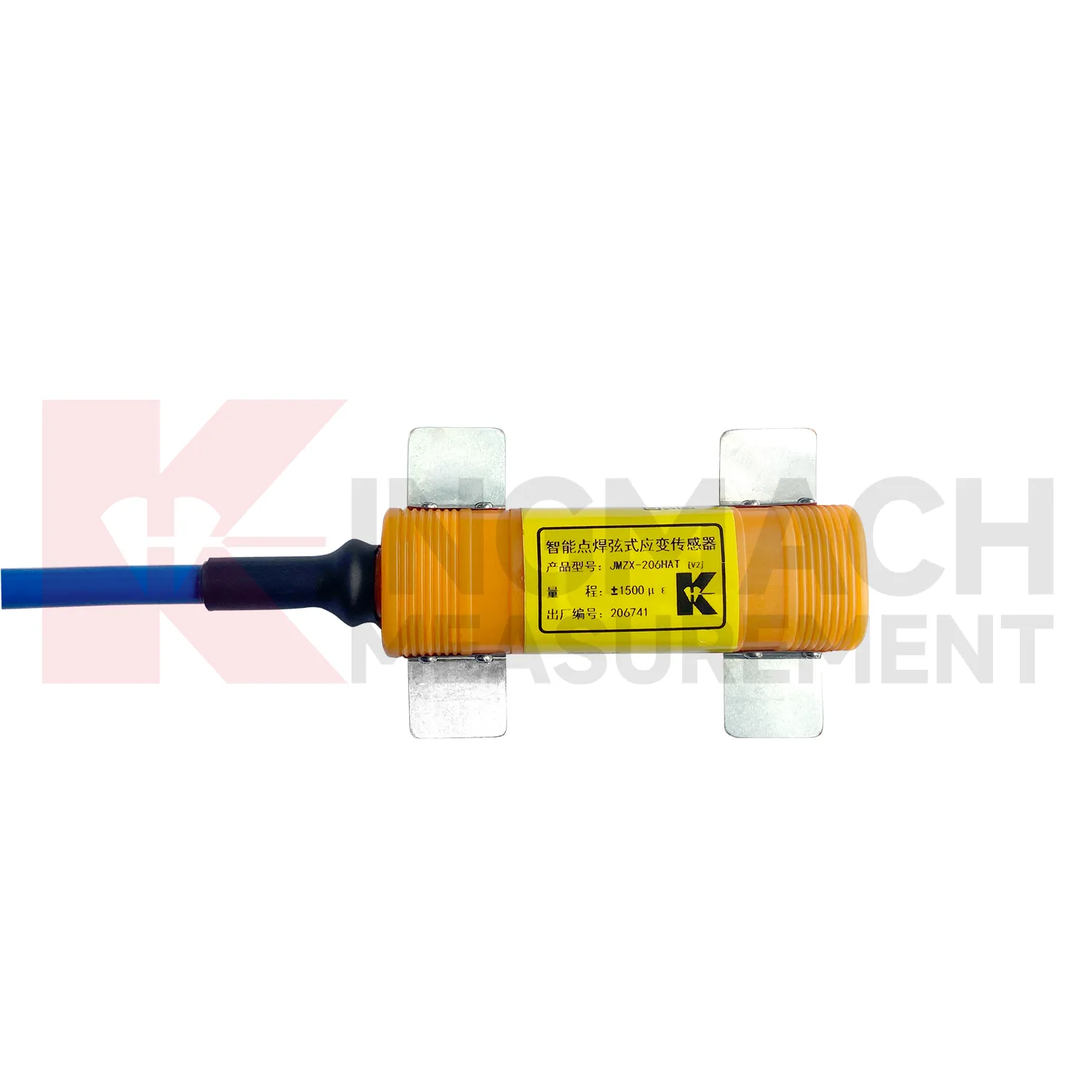
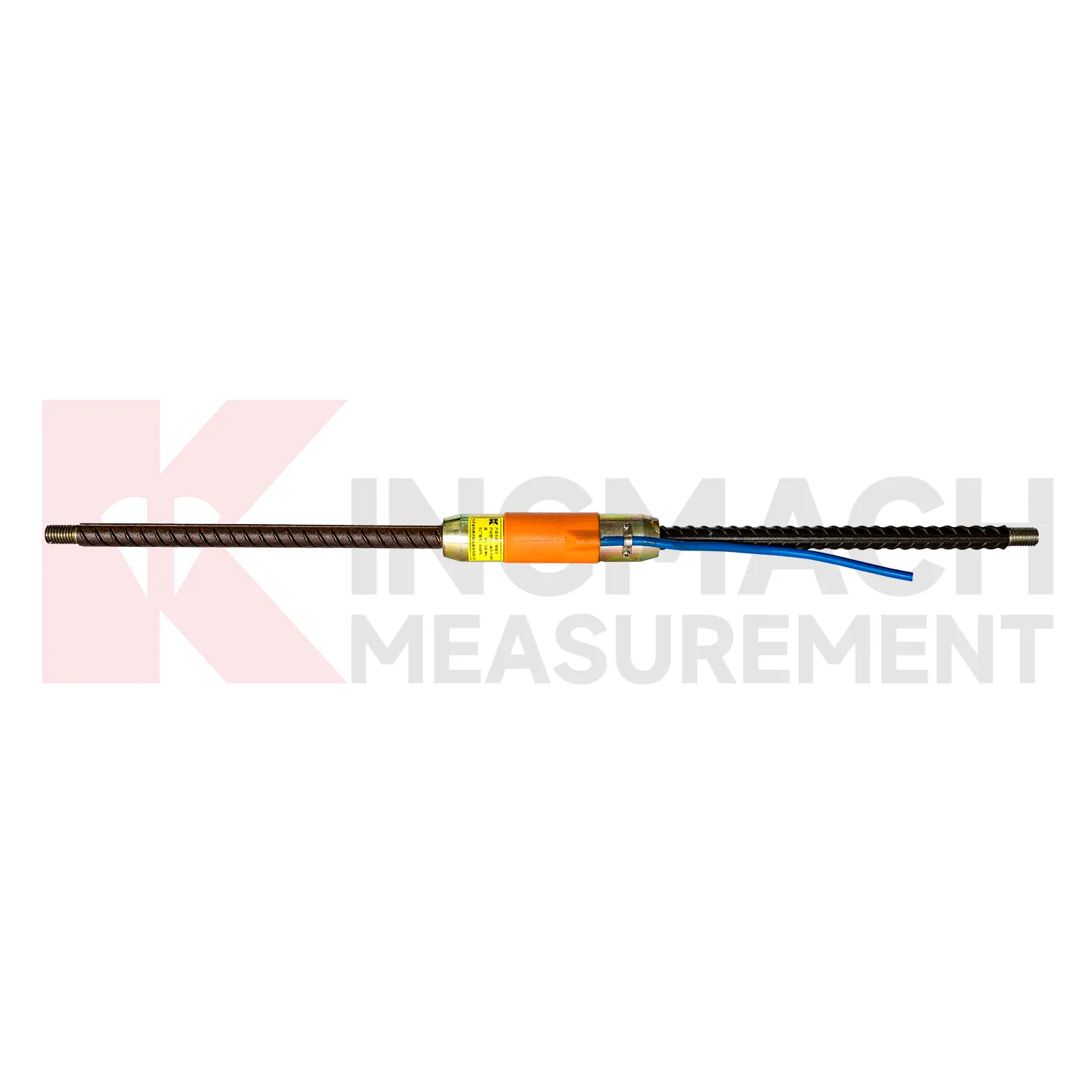
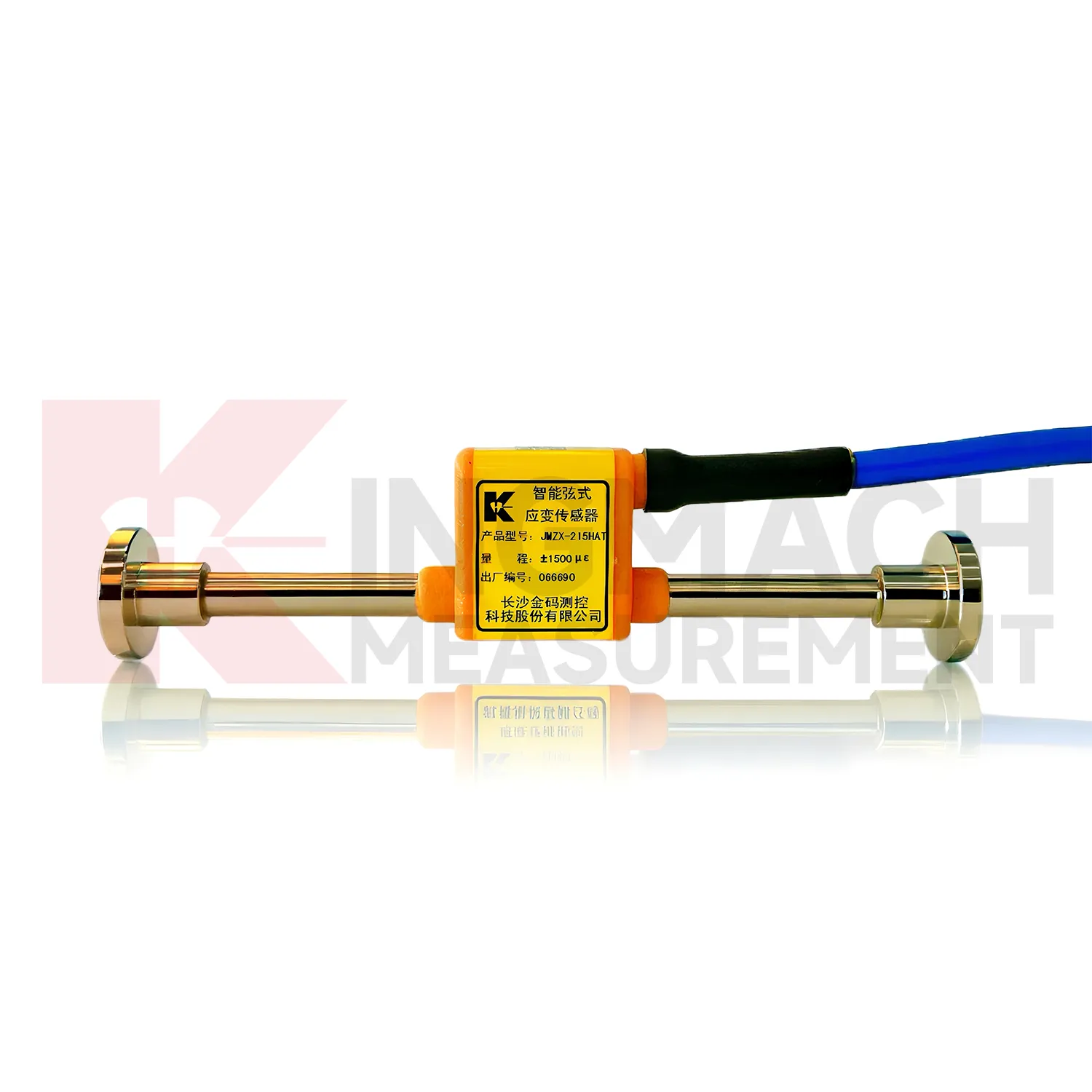
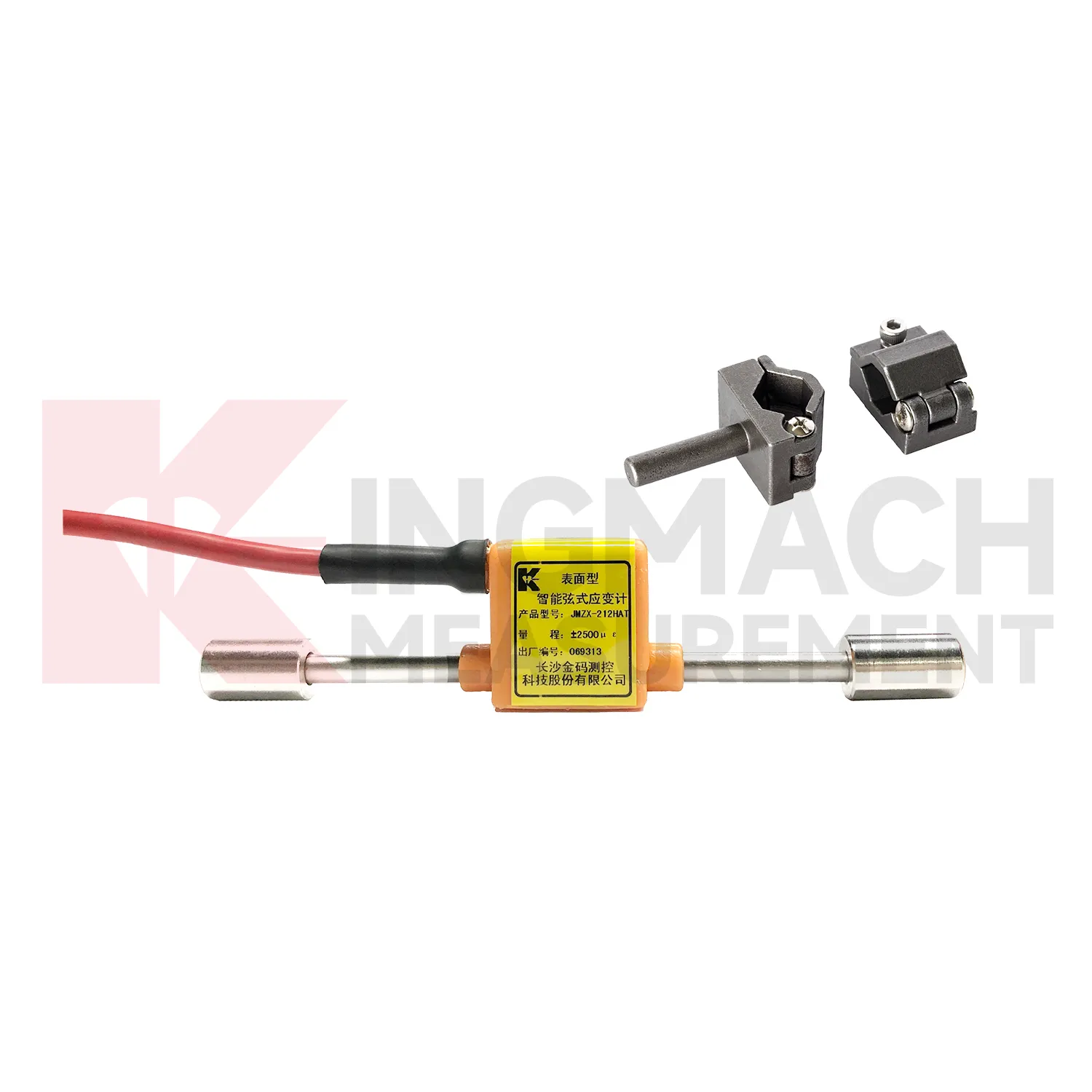
Kingmach {keyword} covers several installation forms for concrete and steel monitoring. The JMZX-215HA/215HAT/HB embedded model is tied to structural rebar or fixed on a mounting bracket before concrete pouring, then used after the concrete reaches the required strength. It is suitable for internal strain measurement in bridges, tunnels, dams, underground structures, piles, and concrete members where surface access is limited. Product parameters include a ±1500 microstrain standard range, 0.5%F.S. strain precision, 0.1 microstrain resolution, and a 146 mm gauge length. The built in high performance exciter uses pulse excitation, giving fast test speed and stable vibrating wire frequency transmission over long distances. A fully sealed stainless steel structure provides waterproof durability up to 150 meters. Kingmach also supports automated acquisition, so the sensor can be used in unattended long term monitoring instead of manual reading only. For projects that need traceable readings, these parameters matter because the sensor may be buried in concrete, fixed on steel, or connected to an unattended data logger for months or years. The combination of range, resolution, waterproofing, and temperature data helps engineers decide where the model fits. That is why model data, calibration values, and channel labels should travel with the product from procurement to commissioning.
Application of strain gauge force transducer
In dam and hydraulic structure monitoring, {keyword} supports strain observation in concrete blocks, galleries, spillways, anchors, reinforcement, and steel components affected by water pressure and temperature cycles. The project pain points are long service life, seepage influence, thermal movement, concrete creep, and limited access after construction. Kingmach embedded gauges can be placed before concrete pouring and provide ±1500 microstrain range, 0.5%F.S. precision, and waterproof durability up to 150 meters. Surface gauges also include temperature measurement versions, with -40℃ to +120℃ thermometer range and ±0.5℃ accuracy. In dam safety monitoring, strain readings can be reviewed with water level, seepage, displacement, and temperature data. This helps owners identify whether structural stress is following normal seasonal behavior or moving toward a risk condition. For general product use, the same equipment can serve several structures when the range, waterproof rating, and installation method match the monitoring point. For field use, the strain point should be named, mapped, protected, and reviewed with nearby sensors before any alarm is judged. The same record can support staged construction control, post event inspection, and long term maintenance planning.
The future of strain gauge force transducer
The future of {keyword} will move toward connected monitoring rather than isolated readings. Kingmach already pairs vibrating wire strain gauges with comprehensive readouts, automated acquisition systems, wireless loggers, DTUs, and cloud platforms. The next step is cleaner integration with IoT networks, where strain readings from bridges, tunnels, dams, and buildings can be checked beside displacement, settlement, vibration, temperature, and water pressure. 5G, LoRa, and low power edge devices will make remote projects easier to manage, especially on slopes, reservoirs, and transport corridors. The sensor still has to be installed correctly; technology will not fix poor bonding or a damaged cable. But better diagnostics, channel maps, and data timestamps can help engineers find problems earlier and keep long term records easier to trust. For Kingmach, that direction fits its existing mix of sensors, automated systems, and smart monitoring platforms. The product can stay close to field measurement while the data path becomes more connected.
Care & Maintenance of strain gauge force transducer
Preventive maintenance for {keyword} should be scheduled around site risk. Bridges may need checks after heavy traffic incidents, storms, or repair welding. Tunnels and foundation pits may need checks after excavation stages, water inflow, or support changes. Dams may need review during reservoir level changes. Kingmach strain products provide parameters such as 0.5%F.S. accuracy, 0.1 microstrain resolution, waterproof structures, and temperature correction, but those strengths only help when the monitoring point stays protected. Keep a simple maintenance routine: inspect seals and cables, compare baseline trends, verify logger settings, record site events, and flag suspicious channels for engineering review. That routine is plain work, but it prevents expensive confusion later. This keeps maintenance practical for contractors and owners who need reliable records without turning every strain change into an emergency. Review the channel after major site work. Replace damaged protection before water reaches the connection. Compare suspicious readings with nearby channels before repair decisions.
Kingmach strain gauge force transducer
Procurement teams often evaluate {keyword} by comparing sensors, manufacturers, data acquisition equipment, and long term support. The useful question is not only price. It is whether the product matches the structure, installation method, output system, environmental exposure, and maintenance plan. Kingmach brings together strain gauges, readouts, automated acquisition units, cables, and monitoring software, which reduces the risk of mismatched field components. For buyers managing bridges, tunnels, dams, buildings, and rail projects, this joined up approach matters. A sensor that is accurate on paper still needs stable transmission, protected wiring, correct calibration data, and practical after sales service. For practical procurement, it also suggests the related equipment that may be needed, including readouts, cables, acquisition modules, and monitoring software. Site records matter. That field record supports later inspection. It also gives engineers a cleaner baseline for later comparison. The same data can guide inspection notes and repair timing. Site records matter.
FAQ
Q: Where is {keyword} used in bridge monitoring?
A: It can be installed on girders, decks, steel beams, reinforcement, piers, and other stress sensitive locations to track traffic load and fatigue behavior.
Q: How does it help tunnel monitoring?
A: Embedded or welded gauges can read lining strain, support force, reinforcement stress, and ground pressure effects during construction and service.
Q: Can it be used in dams?
A: Yes. Embedded and surface models are used for concrete strain, stress state review, temperature related movement, and long term dam safety monitoring.
Q: Is it useful for foundation pits?
A: Yes. Rebar strainmeters and welded gauges can monitor support stress, anchor force changes, brace behavior, and retaining structure response.
Q: What other sensors are often used with it?
A: Displacement meters, settlement sensors, tiltmeters, piezometers, water level meters, accelerometers, and temperature sensors are often used together.
Reviews
Ryan Lewis
Fast delivery and excellent product quality. The accelerometers and tiltmeters are highly reliable. Strongly recommend this company.
Matthew Garcia
Instrumentation cables are durable and perform well even in harsh environments. Will definitely order again.
Latest Inquiries
To protect the privacy of our buyers, only public service email domains like Gmail, Yahoo, and MSN will be displayed. Additionally, only a limited portion of the inquiry content will be shown.
Harper***@gmail.comIndia
Dear Sir, we are planning to procure a complete monitoring system including strain gauges, tiltmeter...
Mia***@gmail.comNetherlands
Dear team, we are interested in your readouts & data loggers compatible with multiple sensors. Do yo...
Related product categories
- strain sensors manufacturers
- surface strain sensor market
- wholesale strain gauge weight sensor
- strain gauge calibration
- strain gauge measurement
- strain gauge for weight measurement
- strain gauge pressure sensors
- strain gauge application
- strain gauge sensor application
- strain gauge sensor types
- strain gauge vibration sensor
- strain gauge weight sensor