
 EN
EN
 ar
ar bg
bg hr
hr cs
cs da
da nl
nl fi
fi fr
fr de
de el
el hi
hi it
it ko
ko no
no pl
pl pt
pt ro
ro ru
ru es
es sv
sv tl
tl iw
iw id
id lv
lv lt
lt sr
sr sk
sk sl
sl uk
uk vi
vi et
et hu
hu th
th tr
tr fa
fa ms
ms hy
hy ka
ka ur
ur bn
bn mn
mn ta
ta kk
kk uz
uz ku
ku
wheatstone bridge in strain gauge
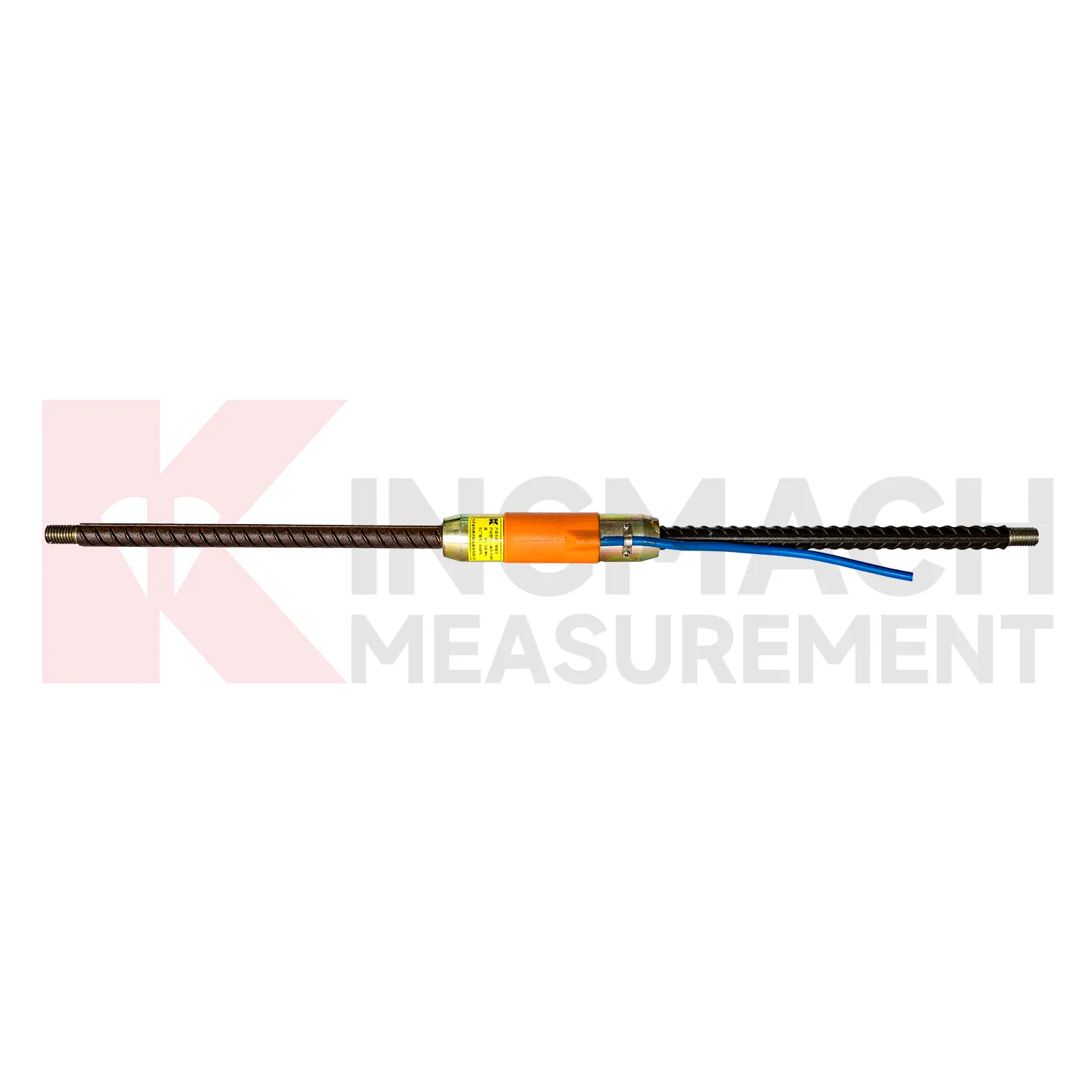
Kingmach {keyword} also includes rebar strainmeters for reinforced concrete stress monitoring. The JMZX-4XXHAT/HB model measures the stress of reinforcing steel bars and allows engineers to estimate the internal stress state of concrete structures. It is used in dams, bridges, precast and cast in place pile foundations, cut off walls, large buildings, and anchor bolts. The sensing section is designed with strength matching the corresponding measured steel bar, so replacing the original bar with the tested bar does not change the strength of the monitored structure. Technical data includes a -200 MPa to 350 MPa range, 0.5%F.S. accuracy, 0.1 MPa sensitivity, and 2 MPa waterproof performance. The product uses vibrating wire collection with high tensile steel wire and anchor welding, giving stable performance for embedded, long term structural monitoring. These specifications are especially useful when the monitored member will not be easy to access later. Once concrete is poured or steel work is closed, the project depends on the original model selection, cable protection, calibration data, and acquisition record. They also help the owner decide whether manual reading, scheduled logging, or unattended monitoring is the better operating method. A clear specification record reduces confusion when the same project uses surface, embedded, welded, and rebar based instruments together.
Application of wheatstone bridge in strain gauge
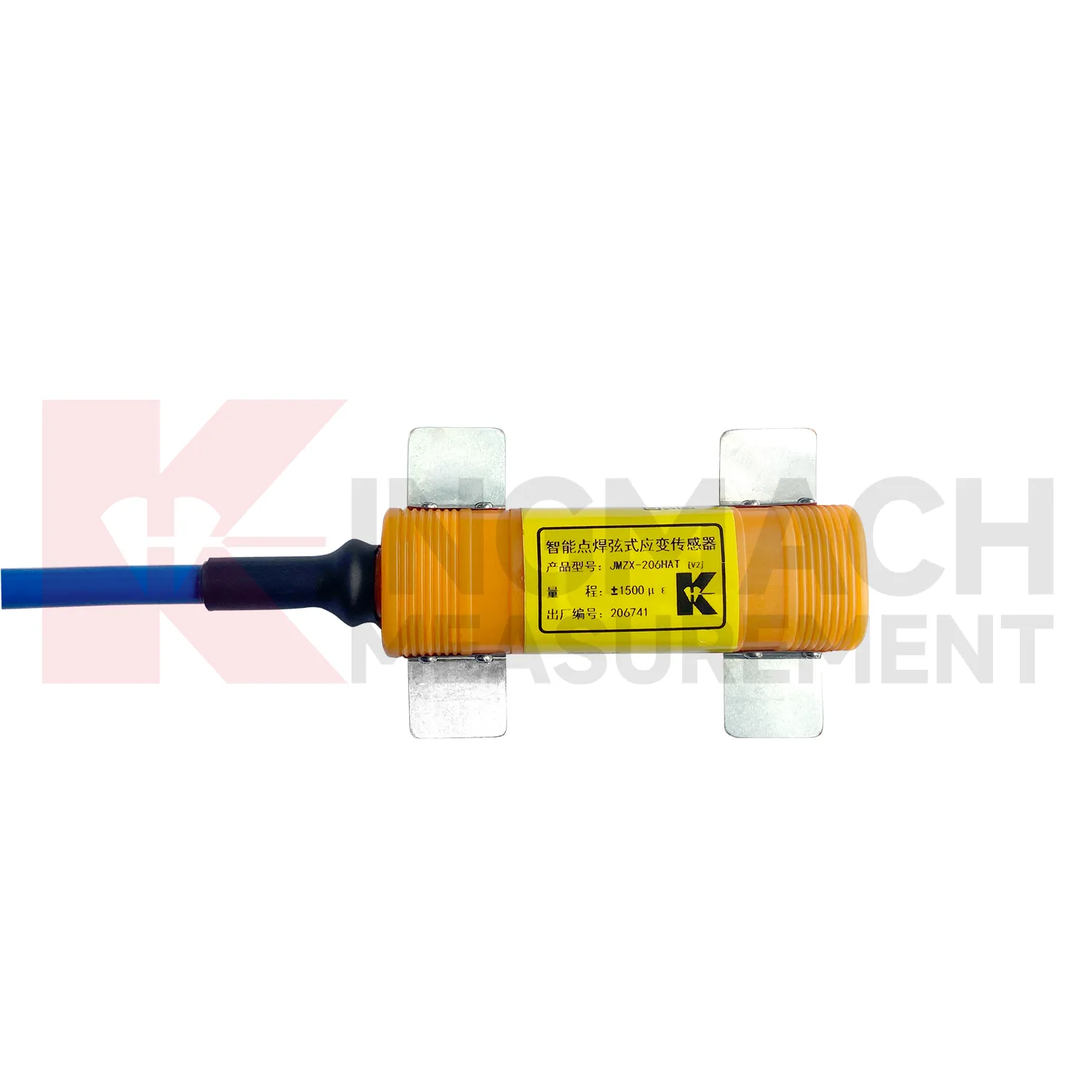
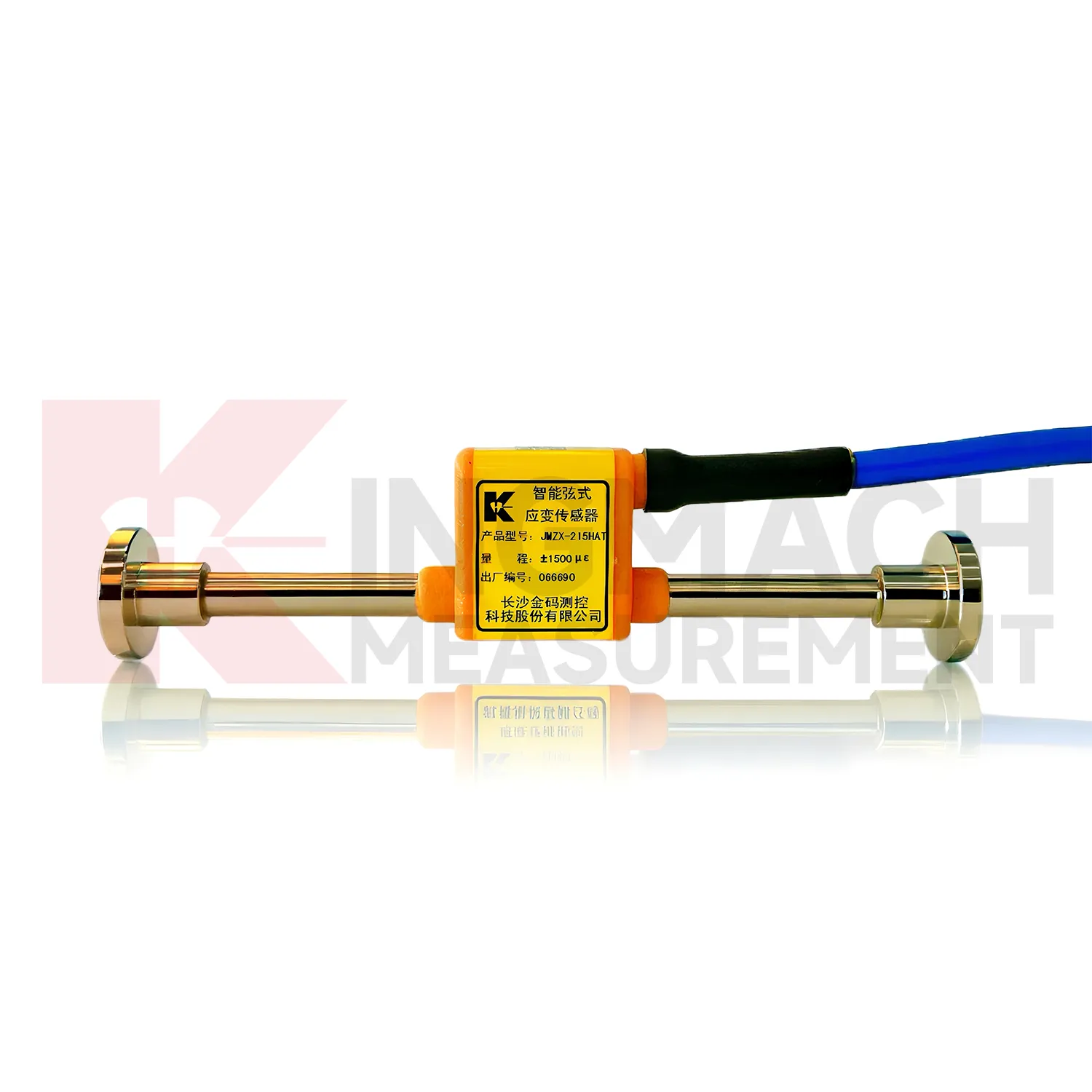
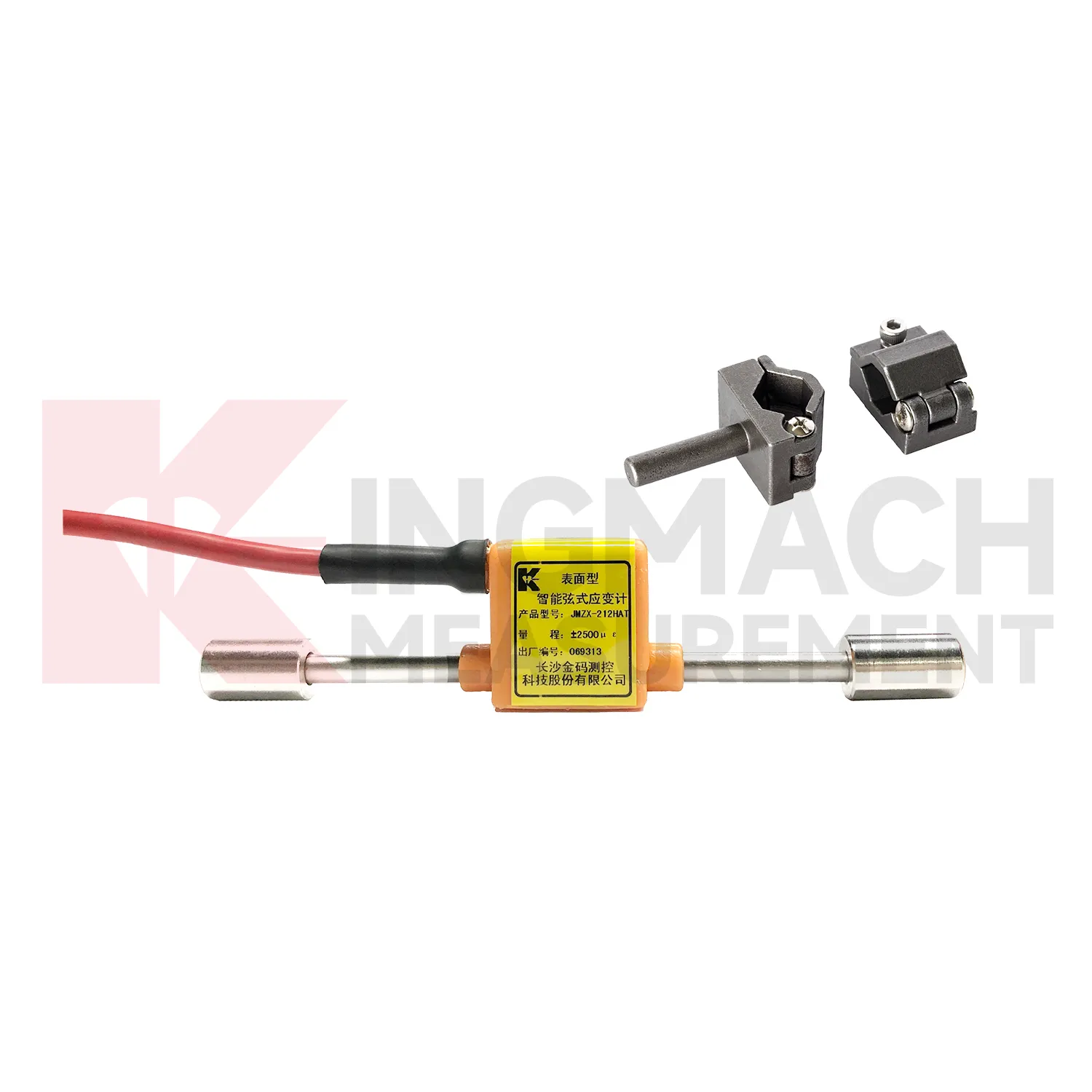
For online structural health monitoring, {keyword} can be connected with readouts, acquisition modules, DTUs, wireless loggers, and platforms such as Kingmach's Engineering Pulse system. The practical need is continuous data from difficult locations: bridge girders, tunnel linings, dam galleries, reinforced concrete piles, rail stations, and steel supports. Products such as the JMZX-212HAT/HB and JMZX-215HA/215HAT/HB use vibrating wire frequency signals that can transmit over long distances with strong anti interference performance. The JMZX-206HAT welded model adds digital detection and onboard record storage. Once the readings are collected in a platform, engineers can compare strain with displacement, settlement, tilt, acceleration, temperature, and water pressure. That comparison helps reduce false alarms and makes inspection decisions more evidence based. The main advantage is measured evidence at the point where stress is expected to change, giving owners a cleaner basis for inspection, reinforcement, load control, or continued operation. The same record can support staged construction control, post event inspection, and long term maintenance planning. When data is collected automatically, engineers can compare daily movement instead of relying on occasional manual readings. This gives the project team a better way to separate normal behavior from a change that needs inspection. For field use, the strain point should be named, mapped, protected, and reviewed with nearby sensors before any alarm is judged.
The future of wheatstone bridge in strain gauge
The next generation of {keyword} will likely combine traditional vibrating wire stability with newer communication and analytics tools. MEMS devices, fiber optic sensing, LoRa transmission, 5G gateways, and edge computing will not replace every vibrating wire strain gauge, especially in long term civil monitoring, but they will change how data is collected and reviewed. Kingmach's position is strongest where sensors, acquisition hardware, and platform software work together. A surface gauge with 0.1 microstrain resolution, an embedded gauge with 150 meter waterproof durability, or a welded model with digital record storage can feed the same monitoring workflow. The trend is not vague intelligence. It is better sensor identity, fewer manual readings, faster comparison, and more reliable maintenance decisions. Kingmach's strain gauge range already gives a base for that shift because it includes waterproof vibrating wire models, temperature versions, digital detection, automated acquisition support, and platform connectivity. The strongest gains will come from cleaner records and faster fault checks.
Care & Maintenance of wheatstone bridge in strain gauge
Temperature management is part of maintaining {keyword}. Kingmach temperature versions can measure the monitoring point across -40℃ to +120℃ with ±0.5℃ temperature measurement accuracy, allowing strain correction when thermal movement affects the reading. During installation, keep temperature sensor wiring and strain wiring clearly labeled. During long term use, compare strain changes with temperature records before judging a structural problem. Bridges, exposed steel, dam galleries, and tunnel entrances can all show daily or seasonal thermal movement. If a channel drifts, review weather, curing stage, sunlight exposure, nearby heat sources, and acquisition settings. This simple habit prevents normal thermal behavior from being mistaken for structural distress. A simple inspection schedule should cover waterproof seals, cable jackets, grounding, connectors, data logger power, communication status, and comparison with nearby sensors. Compare suspicious readings with nearby channels before repair decisions. Keep these checks in the project log. Review the channel after major site work.
Kingmach wheatstone bridge in strain gauge
{keyword} is useful because strain is often the first language a loaded structure speaks. It may not show a crack, settlement mark, or visible deflection at the beginning, but the measured strain can already reveal how stress is moving through the member. Kingmach products such as JMZX-212HAT/HB surface models, JMZX-215HA/215HAT/HB embedded models, JMZX-206HAT welded models, and JMZX-4XXHAT/HB rebar strainmeters cover different installation conditions. That range allows engineers to monitor exposed concrete, internal reinforcement, welded steel surfaces, and rebar stress in reinforced concrete. The reading can support load testing, construction control, fatigue review, and long term structural health monitoring. This makes the product relevant to project owners who need early evidence of stress change before cracks, settlement, or unusual deflection become easier to see. The same data can guide inspection notes and repair timing. Site records matter. That field record supports later inspection. It also gives engineers a cleaner baseline for later comparison.
FAQ
Q: What is {keyword} used for?
A: It measures strain, reinforcement stress, or force related deformation in structures such as bridges, tunnels, dams, buildings, slopes, rail systems, wind towers, and industrial frames.
Q: Which Kingmach models are related to this product group?
A: Common models include JMZX-212HAT/HB surface gauges, JMZX-215HA/215HAT/HB embedded gauges, JMZX-206HAT welded gauges, and JMZX-4XXHAT/HB rebar strainmeters.
Q: Can it support long term monitoring?
A: Yes. Kingmach vibrating wire models are designed for long term observation and can work with readouts, automated acquisition systems, and monitoring platforms.
Q: What accuracy is available?
A: Several Kingmach strain gauge models list 0.5%F.S. accuracy, with 0.1 microstrain resolution on surface, embedded, and welded strain gauge models.
Q: Is it suitable for wet sites?
A: Yes, selected models use sealed stainless steel structures with waterproof performance up to 150 meters, while rebar strainmeters list 2 MPa waterproof performance.
Reviews
David Wilson
We purchased displacement transducers and settlement sensors, and the quality exceeded our expectations. Easy installation and reliable performance.
Ryan Lewis
Fast delivery and excellent product quality. The accelerometers and tiltmeters are highly reliable. Strongly recommend this company.
Latest Inquiries
To protect the privacy of our buyers, only public service email domains like Gmail, Yahoo, and MSN will be displayed. Additionally, only a limited portion of the inquiry content will be shown.
Emma***@gmail.comCanada
Dear Sir/Madam, we are interested in displacement transducers and settlement sensors for a geotechni...
Isabella***@gmail.comGermany
Hello, we are evaluating weir flow meters for a water management project. Please share accuracy deta...