
 EN
EN
 ar
ar bg
bg hr
hr cs
cs da
da nl
nl fi
fi fr
fr de
de el
el hi
hi it
it ko
ko no
no pl
pl pt
pt ro
ro ru
ru es
es sv
sv tl
tl iw
iw id
id lv
lv lt
lt sr
sr sk
sk sl
sl uk
uk vi
vi et
et hu
hu th
th tr
tr fa
fa ms
ms hy
hy ka
ka ur
ur bn
bn mn
mn ta
ta kk
kk uz
uz ku
ku
bonded strain gauge
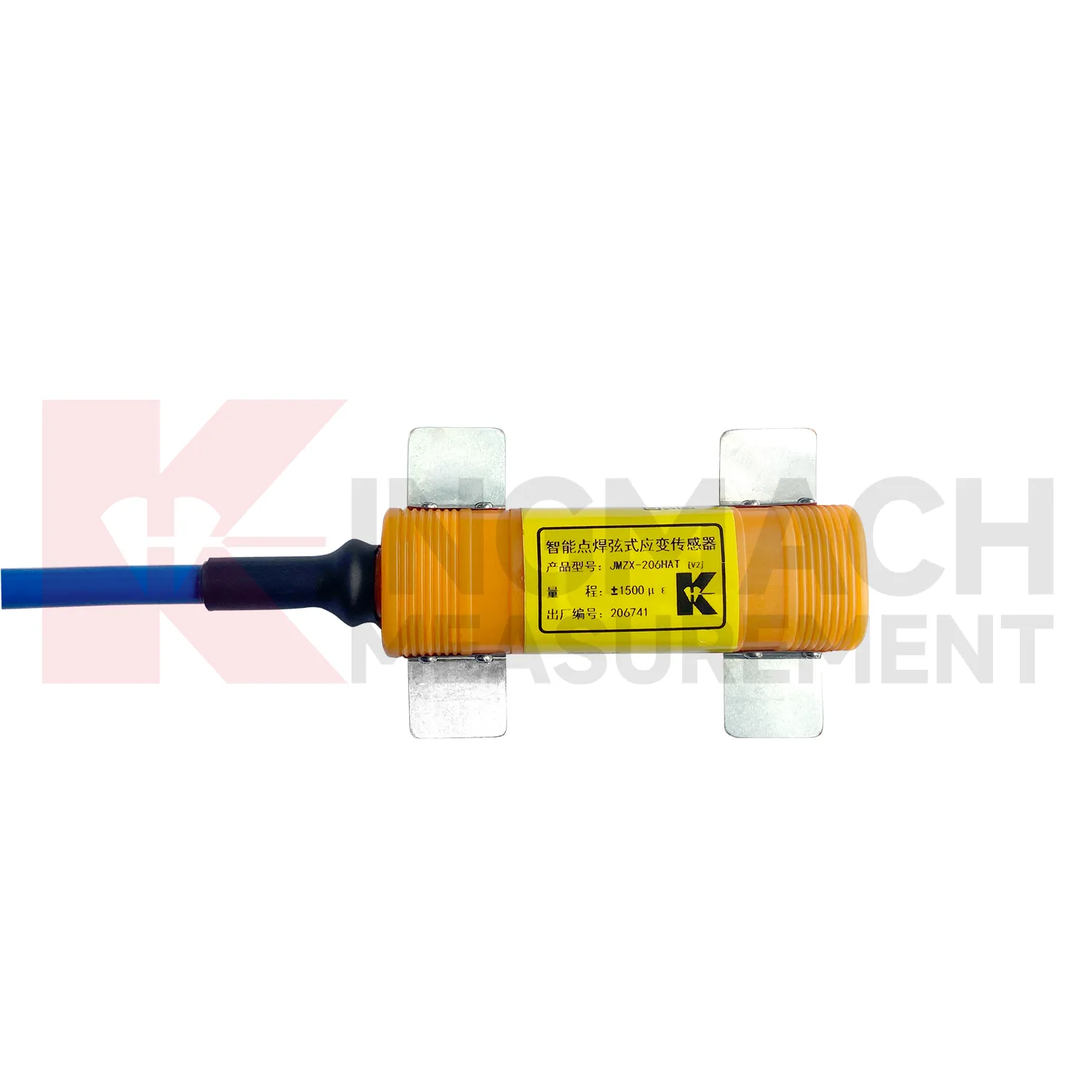
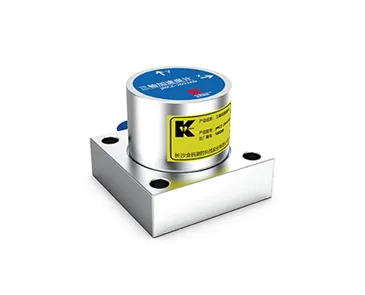
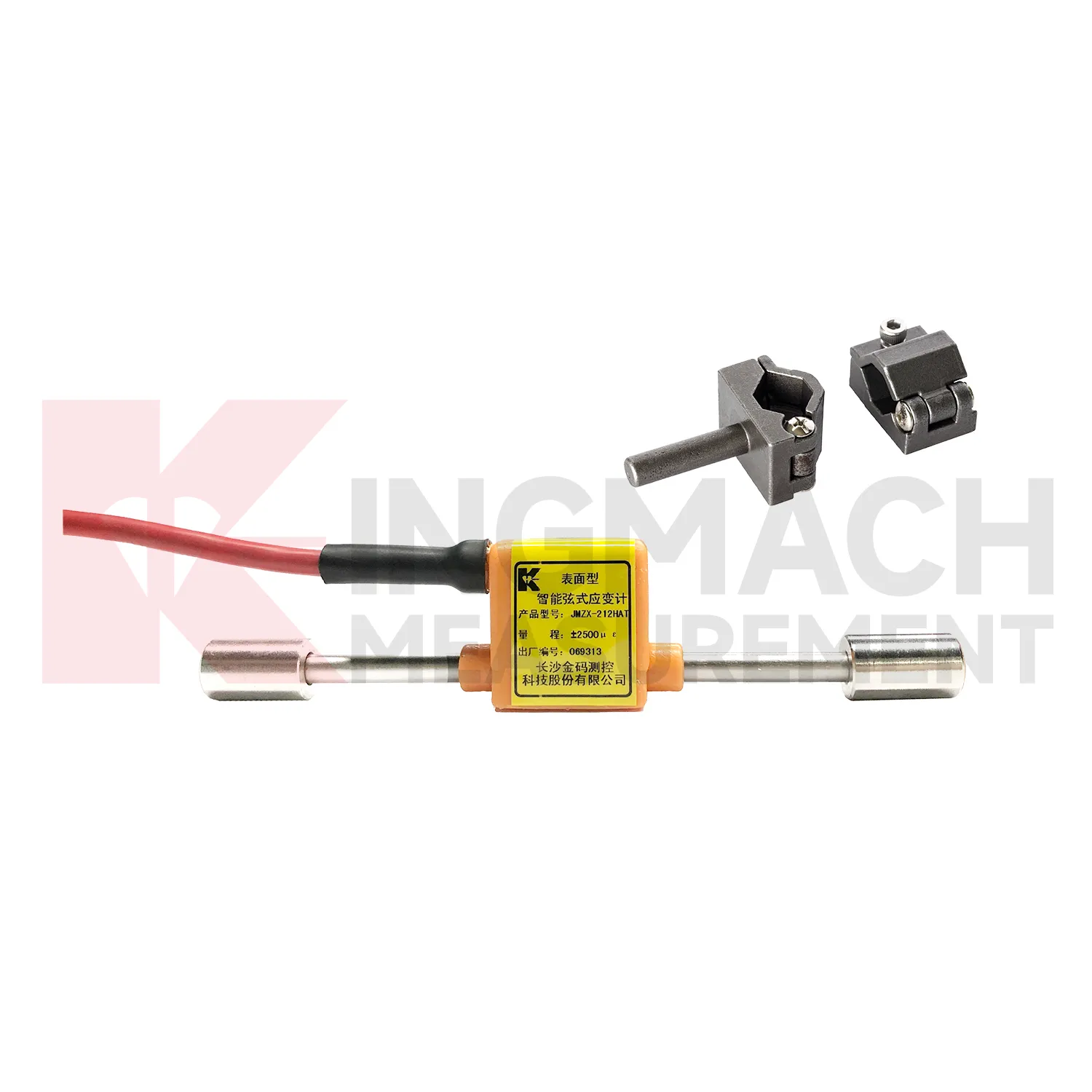
Kingmach {keyword} is not a single stand alone item; it is part of a measurement chain. Surface gauges, embedded gauges, welded gauges, and rebar strainmeters can be paired with comprehensive readout units, automated acquisition modules, wireless loggers, instrumentation cables, and cloud monitoring platforms. That matters on infrastructure projects where one weak link can distort the whole strain record. The surface model offers ±2500 microstrain range and 0.1 microstrain resolution, while the embedded model offers ±1500 microstrain range for internal concrete measurement. The welded model stores up to 800 records and supports digital transmission. These features help engineers choose a model based on structure type, installation access, exposure condition, and required data path. Kingmach's role as a structural health monitoring manufacturer gives buyers one source for sensors, acquisition, and long term field support. The product family also supports different buyer intents. Some searches focus on a strain gauge sensor, others on a force related strain gauge load cell, a data logger, or a manufacturer. The same Kingmach range connects those needs through measured strain data. A clear specification record reduces confusion when the same project uses surface, embedded, welded, and rebar based instruments together. That is why model data, calibration values, and channel labels should travel with the product from procurement to commissioning.
Application of bonded strain gauge
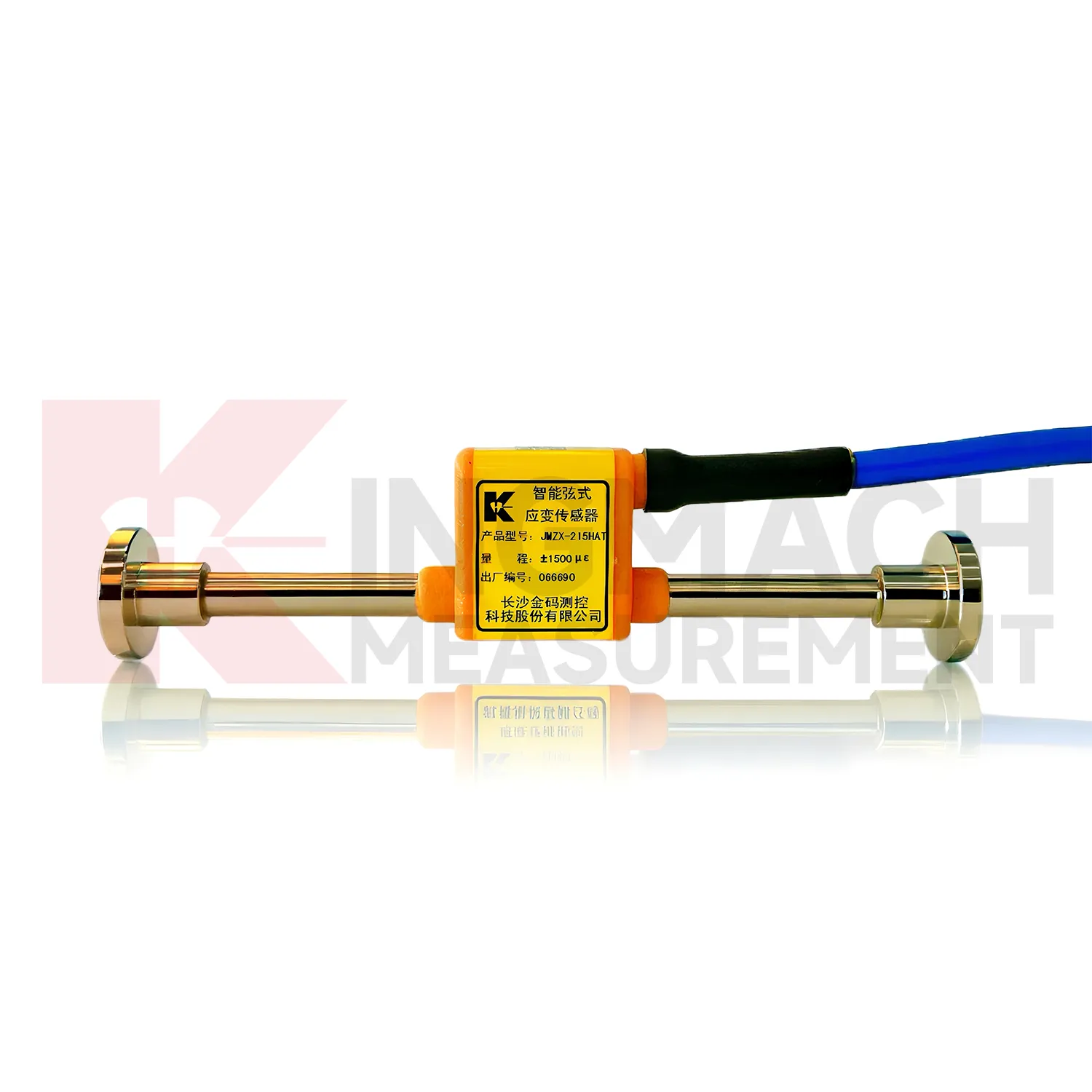
For pile foundations and cast in place concrete work, {keyword} helps engineers observe internal strain, reinforcement stress, concrete shrinkage, and load transfer after the member is no longer visible. Kingmach JMZX-215HA/215HAT/HB embedded gauges are tied to rebar or special supports before pouring, then used after the concrete reaches strength. They provide a ±1500 microstrain range, 0.1 microstrain resolution, 146 mm gauge length, and temperature measurement accuracy of ±0.5℃ when equipped with the temperature version. For rebar stress, the JMZX-4XXHAT/HB model covers -200 MPa to 350 MPa. These parameters support pile load tests, foundation performance monitoring, and long term settlement related stress review. The readings help separate normal concrete curing behavior from structural stress changes caused by loading or ground movement. Parameters such as 0.5%F.S. accuracy, 0.1 microstrain resolution, temperature correction, and waterproof protection give engineers a reason to trust the readings when the monitored point is exposed to field conditions. When data is collected automatically, engineers can compare daily movement instead of relying on occasional manual readings. This gives the project team a better way to separate normal behavior from a change that needs inspection. For field use, the strain point should be named, mapped, protected, and reviewed with nearby sensors before any alarm is judged.
The future of bonded strain gauge
Installation quality will also become more visible in the future of {keyword}. Many strain monitoring failures begin with poor surface preparation, weak welding, cable damage, water entry, or unclear channel labeling. Smart acquisition systems can help by checking unstable readings, abnormal signal behavior, or sudden baseline shifts soon after installation. Kingmach's welded model already stores calibration coefficients and sensor identity, while temperature versions support correction at the monitoring point. Future field tools may combine these details with mobile installation records, QR codes, and automatic channel registration. That will not make installation effortless, but it will make mistakes harder to hide and easier to correct before the structure enters service. For project owners, the benefit is a monitoring network that explains behavior sooner and keeps records organized enough for later inspection, repair planning, and asset management. It also makes sensor data easier to use in owner reports and maintenance meetings. The strongest gains will come from cleaner records and faster fault checks.
Care & Maintenance of bonded strain gauge
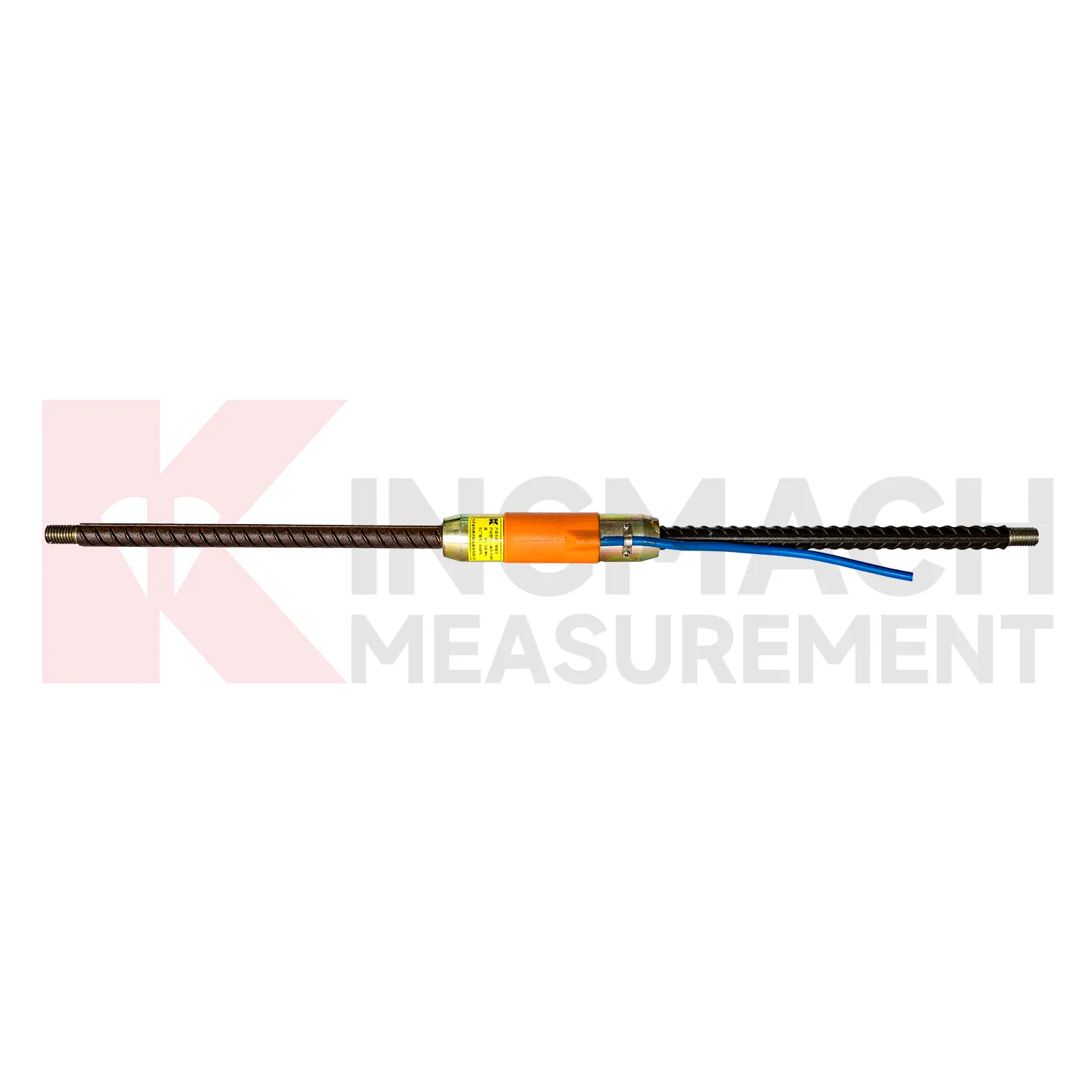
For rebar based {keyword}, installation should avoid weakening the reinforced concrete member. Kingmach JMZX-4XXHAT/HB rebar strainmeters are designed so the sensing section has strength matching the corresponding measured steel bar. During installation, confirm bar size, connection method, waterproof protection, and cable routing before the concrete pour. The model covers -200 MPa to 350 MPa with 0.1 MPa sensitivity and 0.5%F.S. accuracy. During long term use, maintenance teams should review stress trends together with concrete age, load changes, settlement, seepage, and temperature. If a channel drops out, check the junction box and cable continuity first because the embedded rebar section is usually not serviceable without structural work. These steps reduce avoidable service calls and help engineers separate real structural behavior from wiring faults, water ingress, acquisition errors, or temperature effects. Compare suspicious readings with nearby channels before repair decisions. Keep these checks in the project log.
Kingmach bonded strain gauge
{keyword} is useful because strain is often the first language a loaded structure speaks. It may not show a crack, settlement mark, or visible deflection at the beginning, but the measured strain can already reveal how stress is moving through the member. Kingmach products such as JMZX-212HAT/HB surface models, JMZX-215HA/215HAT/HB embedded models, JMZX-206HAT welded models, and JMZX-4XXHAT/HB rebar strainmeters cover different installation conditions. That range allows engineers to monitor exposed concrete, internal reinforcement, welded steel surfaces, and rebar stress in reinforced concrete. The reading can support load testing, construction control, fatigue review, and long term structural health monitoring. This makes the product relevant to project owners who need early evidence of stress change before cracks, settlement, or unusual deflection become easier to see. The same data can guide inspection notes and repair timing. Site records matter. That field record supports later inspection. It also gives engineers a cleaner baseline for later comparison.
FAQ
Q: How should {keyword} be maintained?
A: Inspect the sensor protection, cable route, junction boxes, seals, channel labels, and baseline trends. Compare readings with temperature and nearby sensors before judging an alarm.
Q: How often should calibration be checked?
A: Follow project requirements and review calibration before load tests, major construction stages, repair work, or when readings drift without a clear site reason.
Q: What causes unstable readings?
A: Common causes include loose wiring, water entry, damaged cable jackets, poor grounding, surface debonding, weak welds, wrong acquisition settings, and real structural movement.
Q: Can the sensor be replaced after embedment?
A: Usually not without structural work, so embedded gauges need careful installation, cable protection, and documentation before concrete is poured.
Q: What records should be kept?
A: Keep model, serial number, calibration coefficients, location, installation photos, cable route, channel name, baseline readings, and maintenance notes.
Reviews
Matthew Garcia
Instrumentation cables are durable and perform well even in harsh environments. Will definitely order again.
Daniel Brown
Excellent environmental monitoring sensors. The data is consistent, and the system integrates smoothly with our existing setup.
Latest Inquiries
To protect the privacy of our buyers, only public service email domains like Gmail, Yahoo, and MSN will be displayed. Additionally, only a limited portion of the inquiry content will be shown.
Harper***@gmail.comIndia
Dear Sir, we are planning to procure a complete monitoring system including strain gauges, tiltmeter...
Sophia***@gmail.comUnited Kingdom
Good day, we need environmental monitoring sensors including temperature, humidity, and wind sensors...