
 EN
EN
 ar
ar bg
bg hr
hr cs
cs da
da nl
nl fi
fi fr
fr de
de el
el hi
hi it
it ko
ko no
no pl
pl pt
pt ro
ro ru
ru es
es sv
sv tl
tl iw
iw id
id lv
lv lt
lt sr
sr sk
sk sl
sl uk
uk vi
vi et
et hu
hu th
th tr
tr fa
fa ms
ms hy
hy ka
ka ur
ur bn
bn mn
mn ta
ta kk
kk uz
uz ku
ku
weir flow meter China
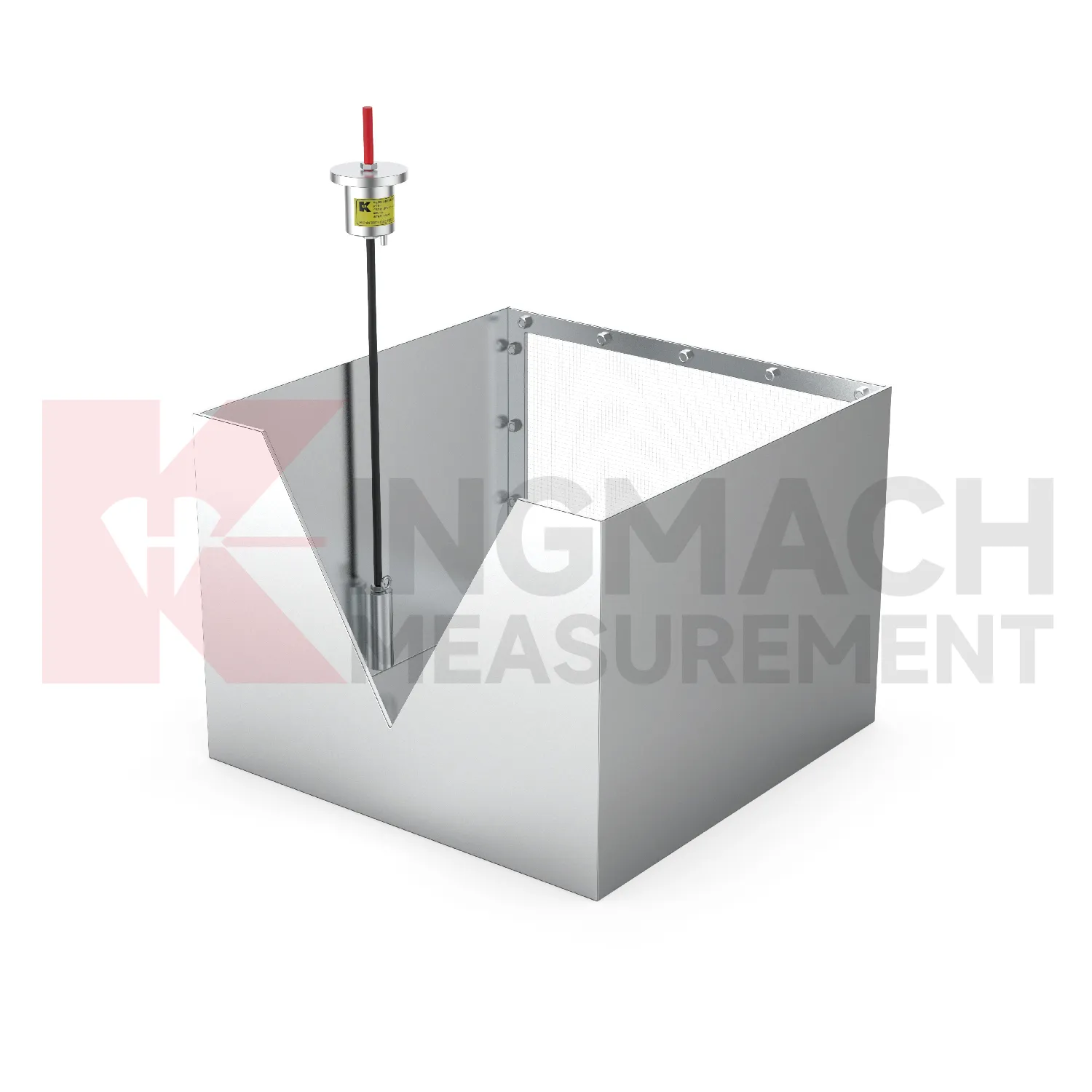
A Kingmach weir flow meter China installation works as a hydraulic measurement point, not simply a sensor mounted near water. The weir body, crest, approach channel, water head location, enclosure, cable route, and inspection access all affect the quality of the flow record. A good site has stable approach flow and enough access for cleaning, verification, and safe maintenance. If the water surface is turbulent, if sediment collects near the crest, or if downstream water backs up toward the measuring section, the record may not represent the intended relationship between head and flow. Product information can help project teams evaluate these conditions before installation. It also reminds owners that long-term reliability comes from both equipment and routine channel care. A well-installed point can provide useful data for years, while a poorly placed point can create repeated uncertainty even when the electronics are working. Maintenance teams need a record that tells them where to look. If a curve drops slowly, cleaning and sediment checks may come first. If it rises suddenly during dry conditions, upstream operation or a changed drainage path may deserve attention. The strongest flow reports are written around decisions. They show whether to keep observing, clean the channel, inspect upstream conditions, check downstream backwater, or compare the point with another water-level or rainfall record.
Application of weir flow meter China
Drainage systems use Kingmach weir flow meter China to understand how water leaves a site during routine conditions and storm events. In urban drainage, construction drainage, tunnel drainage, and industrial outfalls, operators often need to know whether flow is increasing, delayed, reduced, or blocked. A weir-based record can help compare rainfall timing with discharge timing. If rain stops but flow remains high, the system may be draining stored water. If rainfall is heavy but flow is lower than expected, blockage, sediment, pump operation, or downstream backwater may need inspection. The monitoring point should be installed where it represents the drainage channel, not where turbulence or local obstruction dominates. A clear drainage record supports maintenance scheduling and post-storm review. It can also help teams document what happened during a specific rain event without relying on memory. The report should connect the curve with rainfall time, cleaning work, pump changes, outlet condition, and any temporary diversion. That makes it easier to decide whether the drainage network behaved normally, whether capacity is being lost, or whether a local restriction needs field attention before the next storm. The same record can guide cleaning intervals and help justify drainage improvements when repeated restrictions appear. before problems escalate further.
The future of weir flow meter China
Future Kingmach weir flow meter China will make maintenance analytics more useful. A flow curve can reveal more than water volume; it can suggest sediment build-up, vegetation growth, debris, downstream backwater, or changed upstream operation. Future platforms can flag slow drift, sudden jumps, flatlines, and disagreements with rainfall or water level records. These checks will not replace field inspection, but they can tell maintenance teams where to look first. A channel that slowly loses capacity should be cleaned before it creates an operating problem. A point that reports impossible behavior should be verified before the data is used in a report. The next step is to connect alarms with practical field tasks. Instead of only saying that a value changed, the system can help operators decide whether to inspect the crest, check the outlet, review recent pumping, or compare the reading with a nearby level point. That kind of guidance saves time in remote channels and keeps routine maintenance tied to measurable behavior.
Care & Maintenance of weir flow meter China
Calibration and verification for Kingmach weir flow meter China should be treated as part of operation. The team should compare the flow record with visible site behavior, maintenance notes, and any manual checks used by the project. Verification does not always require a complex procedure; sometimes it means confirming that water passes the crest cleanly and that the recorded trend matches the observed condition. If a repair, cleaning, or channel modification occurs, a post-work check should be saved. This keeps the measurement defensible when flow data is used for reports, water accounting, or operating decisions. Verification notes should record who checked the point, what reference was used, whether the channel was stable, and whether unusual weather or upstream activity affected the reading. A dated note beside the data curve is often more useful than a vague pass or fail mark. It helps reviewers understand the field condition before comparing monthly totals or investigating a sudden shift.
Kingmach weir flow meter China
Kingmach weir flow meter China explains the relationship between water head and flow without turning the page into a hydraulic formula sheet. The key idea is simple: the weir creates a known control section, and the water level at that section gives a basis for calculating discharge. Site conditions decide whether the record is trustworthy. Turbulence, sediment, floating debris, poor leveling, backwater, or a disturbed approach channel can weaken the measurement. The product information directs attention to those practical concerns and shows that accurate flow monitoring depends on both instrument capability and channel discipline. For water accounting or resource management, the same section, reference point, and maintenance discipline make seasonal and operational comparison reliable. If the channel is modified, the record should not hide the change. A repair, new crest, cleaned approach, moved enclosure, or changed data channel can affect comparability and should be visible beside the next flow trend. This keeps the buyer focused on field performance, not isolated readings.
FAQ
Q: What maintenance is needed?
A: Inspect the crest, approach channel, downstream condition, sensing area, enclosure, cable route, labels, and recent flow trend.
Q: How often should cleaning happen?
A: Cleaning frequency depends on debris, sediment, season, upstream activity, rainfall, and how critical the flow record is for the project.
Q: What should be checked after storms?
A: Check debris, sediment, water marks, downstream backwater, enclosure water entry, cable damage, and whether the first post-storm reading is plausible.
Q: Why record maintenance notes?
A: Maintenance notes explain whether a flow change came from real water behavior, cleaning, repair, blockage, or measuring-section disturbance.
Q: What if the weir point is modified?
A: Record the date, reason, old condition, new condition, and first stable reading so future reviewers can compare the curve correctly. Designers, operators, maintenance staff, and owners may read the same curve, so the record needs clear site conditions, inspection notes, and action history in plain engineering language.
Reviews
Daniel Brown
Excellent environmental monitoring sensors. The data is consistent, and the system integrates smoothly with our existing setup.
David Wilson
We purchased displacement transducers and settlement sensors, and the quality exceeded our expectations. Easy installation and reliable performance.
Latest Inquiries
To protect the privacy of our buyers, only public service email domains like Gmail, Yahoo, and MSN will be displayed. Additionally, only a limited portion of the inquiry content will be shown.
Emma***@gmail.comCanada
Dear Sir/Madam, we are interested in displacement transducers and settlement sensors for a geotechni...
Ava***@gmail.comAustralia
Hi, I am looking for reliable tiltmeters and accelerometers for structural health monitoring. Please...