
 EN
EN
 ar
ar bg
bg hr
hr cs
cs da
da nl
nl fi
fi fr
fr de
de el
el hi
hi it
it ko
ko no
no pl
pl pt
pt ro
ro ru
ru es
es sv
sv tl
tl iw
iw id
id lv
lv lt
lt sr
sr sk
sk sl
sl uk
uk vi
vi et
et hu
hu th
th tr
tr fa
fa ms
ms hy
hy ka
ka ur
ur bn
bn mn
mn ta
ta kk
kk uz
uz ku
ku
weir flow meter introductory
Kingmach weir flow meter introductory is suitable for water management tasks where operators need to understand flow behavior over time. In irrigation, the record can help compare branch delivery and operating schedules. In drainage, it can show storm response and delayed discharge. In tunnel or underground work, it can support seepage and discharge review. In water conservancy projects, it can help document controlled flow through a small structure. Each application has a different reason for measuring, but the review logic is similar: establish a reliable measuring section, collect a stable head record, convert it into flow behavior, and compare that behavior with field conditions. The product description can avoid unnecessary technical stacking and explain how the measurement helps the user decide whether the water system is behaving as expected. A weir point also needs safe routine access. If staff cannot reach the crest, enclosure, or sensing area during wet weather, the project may collect data but struggle to maintain confidence in it when the record is most important. Designers, operators, maintenance staff, and owners may read the same curve, so the record needs clear site conditions, inspection notes, and action history in plain engineering language. For water accounting or resource management, the same section, reference point, and maintenance discipline make seasonal and operational comparison reliable.
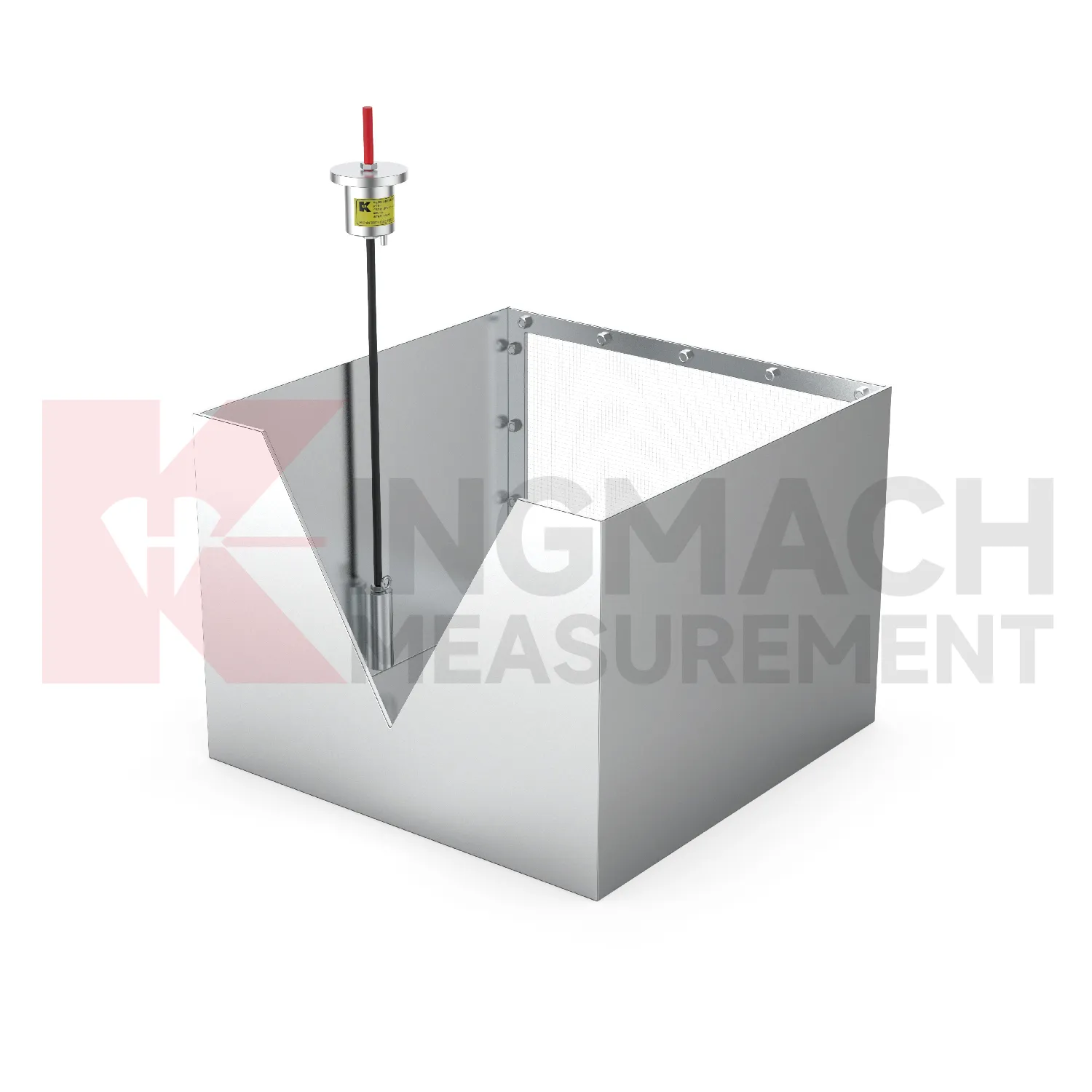
Application of weir flow meter introductory
Water conservancy projects use Kingmach weir flow meter introductory to observe controlled flow through small structures, channels, test sections, and auxiliary discharge points. The measurement is useful when operators need a continuous record rather than occasional visual checks. A weir point can show how flow changes after rainfall, gate operation, upstream storage variation, or maintenance work. The application should be planned around the water path: approach condition, weir crest, water head reference, downstream influence, and cleaning access. Data should be reviewed with reservoir level, rainfall, gate records, seepage notes, and field inspection. If the flow curve changes suddenly, the team should check both the water condition and the measuring section. This approach helps water conservancy teams use flow monitoring as part of operation, maintenance, and safety review rather than a separate instrument reading. In these projects, the flow point may support canal regulation, spillway observation, auxiliary drainage, or small test structures. The record is strongest when it is linked to the purpose of the channel. Operators can compare the trend with gate timing, upstream water level, and inspection notes, then decide whether the change reflects normal operation, a blockage, or a field condition that needs direct confirmation. This keeps operational review connected to hydraulic reality.
The future of weir flow meter introductory
Future Kingmach weir flow meter introductory will need stronger data quality checks. A weir flow record can be affected by debris, algae, sediment, backwater, frozen conditions, sensor disturbance, or changed channel geometry. Automated checks can flag suspicious patterns, but the final review still needs field knowledge. The platform should make it easy to record cleaning, inspection, and repairs beside the curve. That way a sudden change can be interpreted with maintenance history rather than treated as a mystery. Good data quality practice keeps the flow record useful in real operating conditions. Future reporting will also need clearer traceability. When a project uses the same channel for compliance, drainage planning, and water balance review, every edited period should explain why the data was accepted, corrected, or excluded. Clean audit notes help different teams trust the same record without turning every monthly review into a fresh investigation. This is especially useful for long unattended periods and seasonal site access limits.
Care & Maintenance of weir flow meter introductory
Water head measurement for Kingmach weir flow meter introductory needs a stable reference. If the head location is disturbed by turbulence, air bubbles, sediment, trapped debris, or local backwater, the calculated flow behavior may no longer represent the channel. Inspect the sensing area and confirm that the water surface is calm enough for the intended measurement. The reference point should be documented in drawings and photographs. If maintenance changes the weir, channel wall, or sensing position, the record should say so. A stable reference protects long-term comparability, especially when operators compare present flow with past events. Maintenance staff should avoid moving brackets, tubes, labels, or reference marks without updating the file. Even a small field change can confuse later review if it is not recorded. After any adjustment, the first stable reading should be saved with a note about site condition, weather, and visible channel behavior. This keeps future flow interpretation tied to a known physical point.
Kingmach weir flow meter introductory
A strong Kingmach weir flow meter introductory record supports more than one team. Designers may care about hydraulic behavior, operators may care about regulation, maintenance staff may care about debris and cleaning, and owners may care about water accounting and risk. The record is easier to use when it states where the water passes, how the head is read, what can disturb the flow, and how the data supports decisions. Avoiding product and parameter lists makes the message clearer. The buyer needs to understand how the measurement will work in the channel, not memorize a specification table. A weir point also needs safe routine access. If staff cannot reach the crest, enclosure, or sensing area during wet weather, the project may collect data but struggle to maintain confidence in it when the record is most important. Designers, operators, maintenance staff, and owners may read the same curve, so the record needs clear site conditions, inspection notes, and action history in plain engineering language.
FAQ
Q: What should buyers define before ordering?
A: Define the water path, measuring purpose, channel condition, access, data review method, maintenance plan, and related site records.
Q: Can one flow point answer every water question?
A: No. Each point should represent a defined channel or discharge path and should be linked to the engineering question it supports.
Q: Why avoid product and parameter lists in the page?
A: Readers need to understand how the flow point works in the channel, how it is maintained, and how the data supports decisions.
Q: What makes long-term flow data reliable?
A: Stable installation, clean hydraulic control, consistent maintenance, clear units, point photos, and visible repair history make long-term data reliable.
Q: How should flow data be reported?
A: Reports should show the measured channel, time period, flow trend, related site conditions, inspection notes, and any action taken. For water accounting or resource management, the same section, reference point, and maintenance discipline make seasonal and operational comparison reliable.
Reviews
Daniel Brown
Excellent environmental monitoring sensors. The data is consistent, and the system integrates smoothly with our existing setup.
Matthew Garcia
Instrumentation cables are durable and perform well even in harsh environments. Will definitely order again.
Latest Inquiries
To protect the privacy of our buyers, only public service email domains like Gmail, Yahoo, and MSN will be displayed. Additionally, only a limited portion of the inquiry content will be shown.
Isabella***@gmail.comGermany
Hello, we are evaluating weir flow meters for a water management project. Please share accuracy deta...
Amelia***@gmail.comSingapore
Hello, I am looking for visualization software for monitoring system data analysis. Please let me kn...
Related product categories
- Intelligent Weir Flow Meter
- Smart Weir Flow Meter
- weir flow meter
- weir type flow meter
- weir flow meter Price
- weir flow meter Manufacturer
- weir flow meter Supplier
- weir flow meter Solution
- weir flow meter System Integration
- weir flow meter Localization
- weir flow meter Domestic Manufacturing
- weir flow meter China